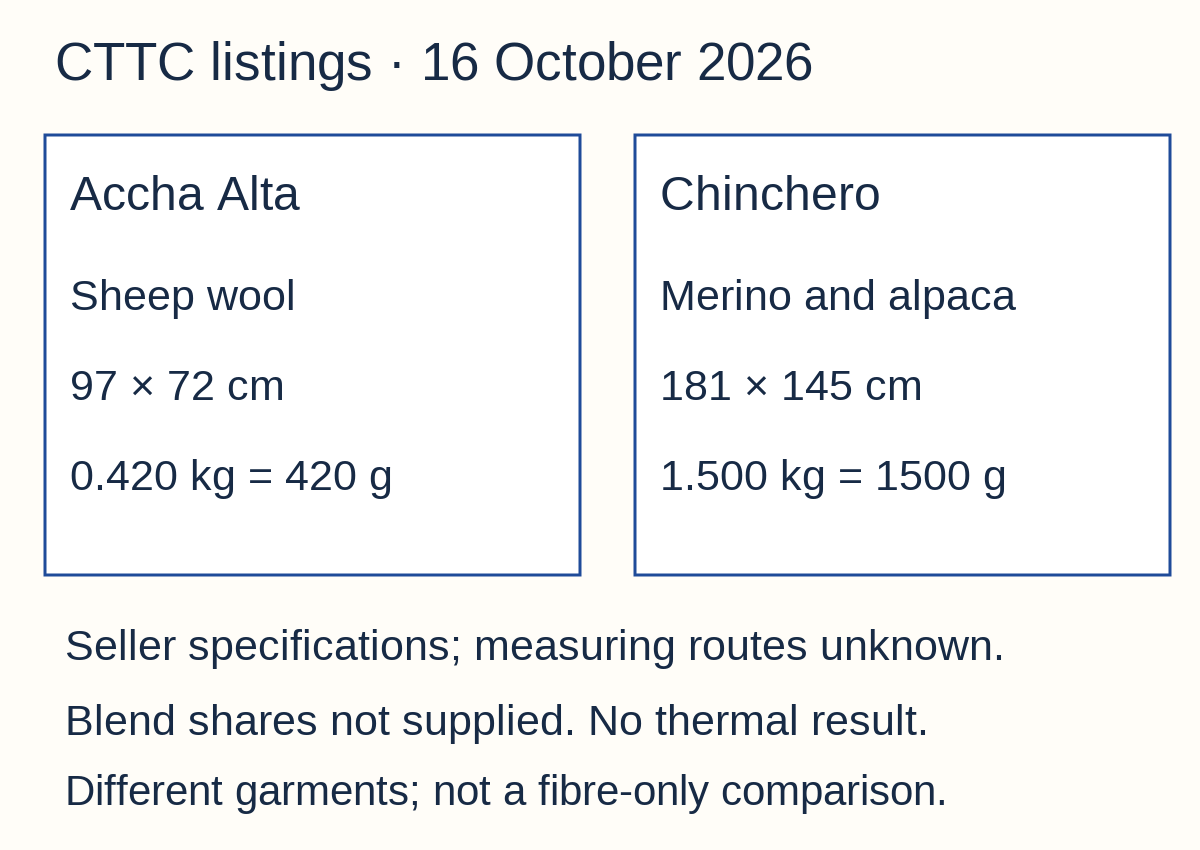
CTTC’s Accha Alta sheep-wool listing gives a mass of 420 g; its Chinchero Merino-and-alpaca listing gives 1500 g. That contrast looks like an easy fibre comparison until you read the dimensions. They are very different garments, and the second is already a blend.
Follow those published specifications before asking what would suit your own shoulders, layers and care routine. The comparison is useful because it reveals the missing information, rather than identifying a winning animal fibre.
Two documented listings show the problem
On 16 October 2026, CTTC’s Accha Alta poncho entry lists sheep wool, dimensions of 97 by 72 cm and a mass equivalent to 420 g. Its Chinchero entry lists Merino and alpaca wool, dimensions of 181 by 145 cm and a mass equivalent to 1500 g. These are the seller’s published specifications, not measurements we took or a product test.
The entries describe different sizes and materials. The second does not provide blend percentages in the material field. Nor should its use of “Merino” be read as a third animal category: Merino is sheep wool.
The figures do not establish that alpaca makes a poncho heavier, lighter or warmer. The tape routes behind the dimensions are unspecified, so these fields do not establish comparable cloth areas or fabric densities either. Ask how each dimension was measured and what garment is actually being compared. Confirm current specifications, composition and availability with the seller; this is an illustration of reading evidence, not a recommendation to buy either item.
Ask what kind of wool is meant
Sheep wool is not one uniform material. Woolmark distinguishes fine, medium and broader wool categories; a broad description cannot tell you the exact handle of a particular yarn. Merino names a sheep type associated with fine apparel wool, not a guarantee that every Merino fabric feels identical.
Alpaca also varies in fineness and fleece characteristics, as AOA describes. An alpaca poncho is therefore not automatically softer than every sheep-wool poncho. Try the actual contact area, including the neckline and any attached collar, if the seller permits.
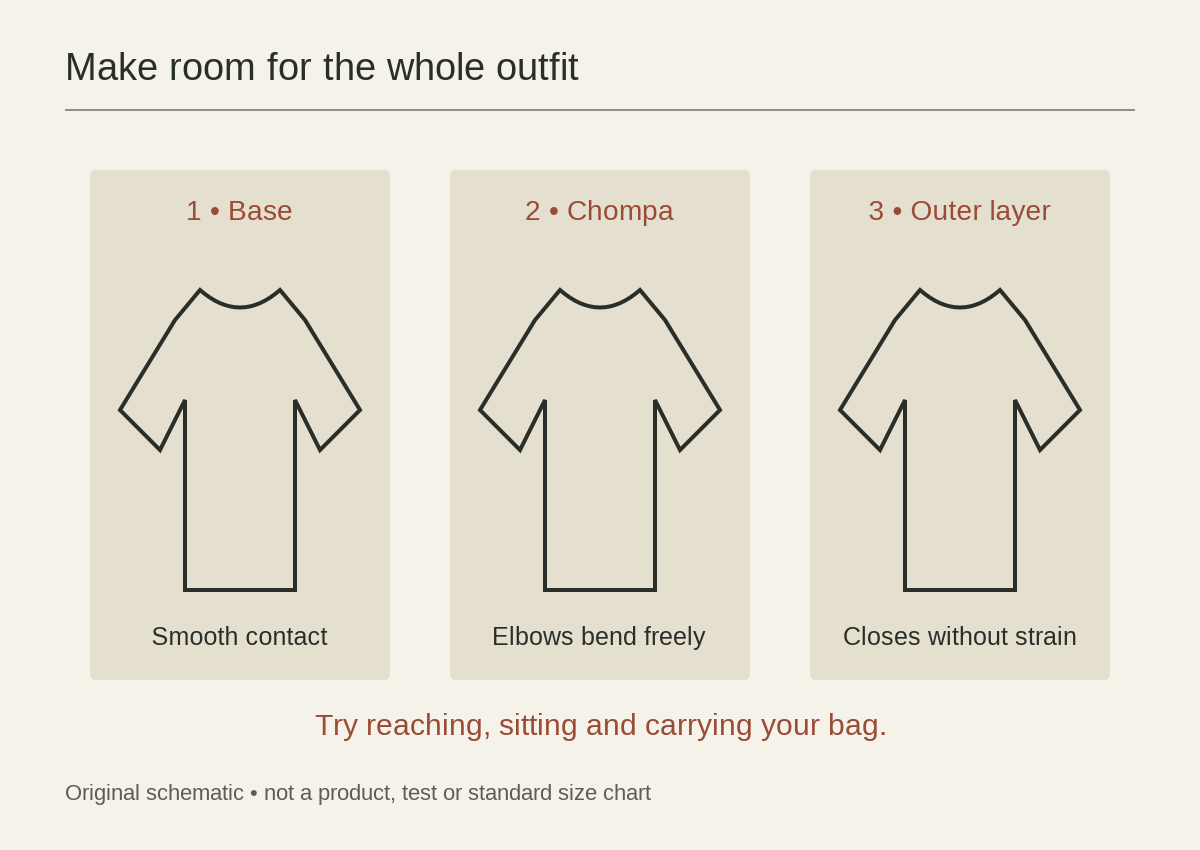
Our poncho overview explains why shape and drape belong in that assessment. If you will wear the piece over a shirt or sweater, assess the combination rather than only the outer face against your palm.
Hold construction steady in the conversation
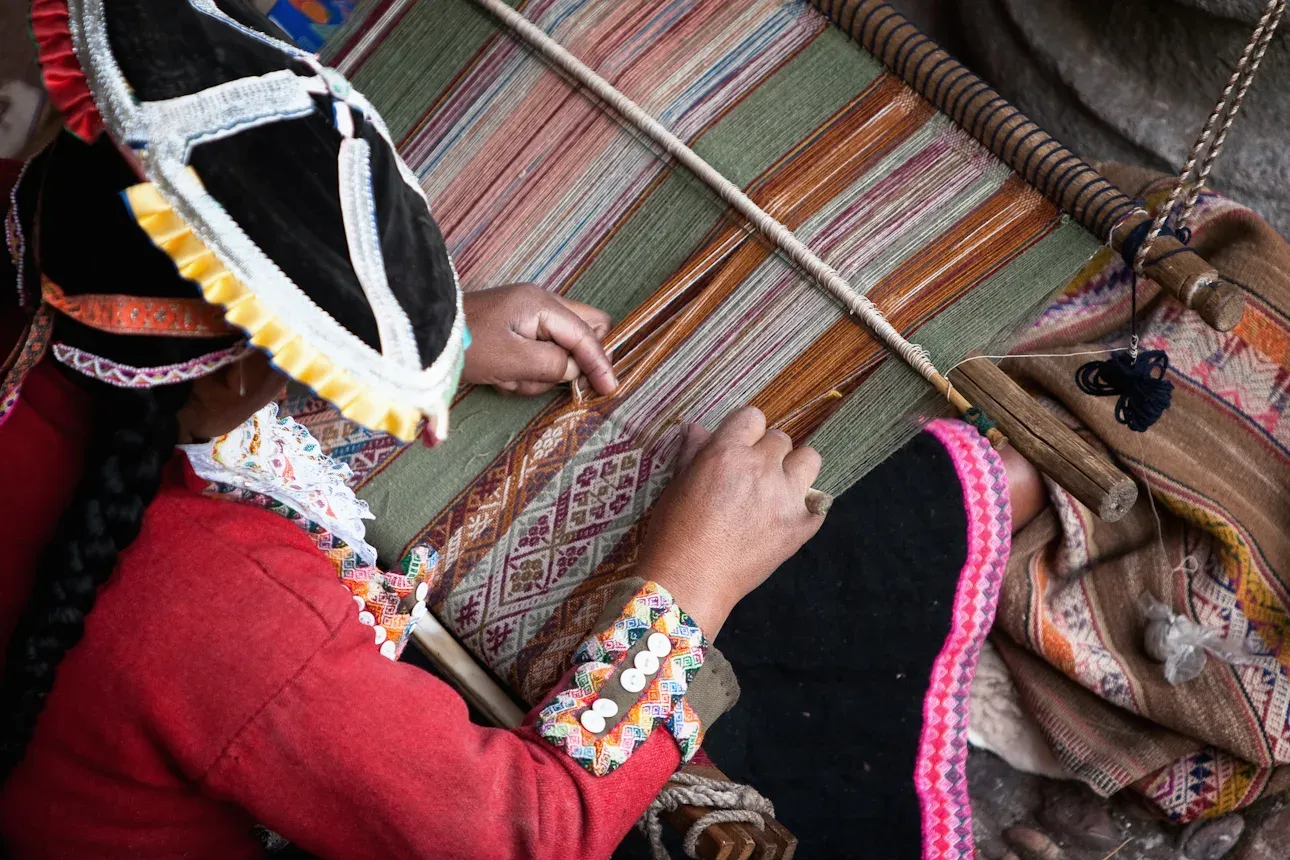
Find out whether both candidates are woven, knitted or combine structures. Ask about yarn, density, edges, joins and any lining. The traditional weaving guide introduces the woven structure and finishing questions.
A dense woven sheep-wool poncho and an open knitted alpaca covering differ in several important variables. If one hangs more firmly, you cannot attribute that entirely to fibre. If one feels thicker, you still need the dimensions and mass to understand how much material is present.
For a large piece, try lifting and putting it on in the normal way with permission. Notice whether the shoulder contact and total load are comfortable. A garment can be attractive on a display and more substantial than you want to carry through an ordinary day.
Compare warmth as a product question
The mass difference that began our comparison has not become a heat result. If a seller promises a warmer textile, ask which fabrics were assessed, by which method and under which conditions. Neither the two CTTC listings nor the fibre-background sources here provide a matched thermal test.
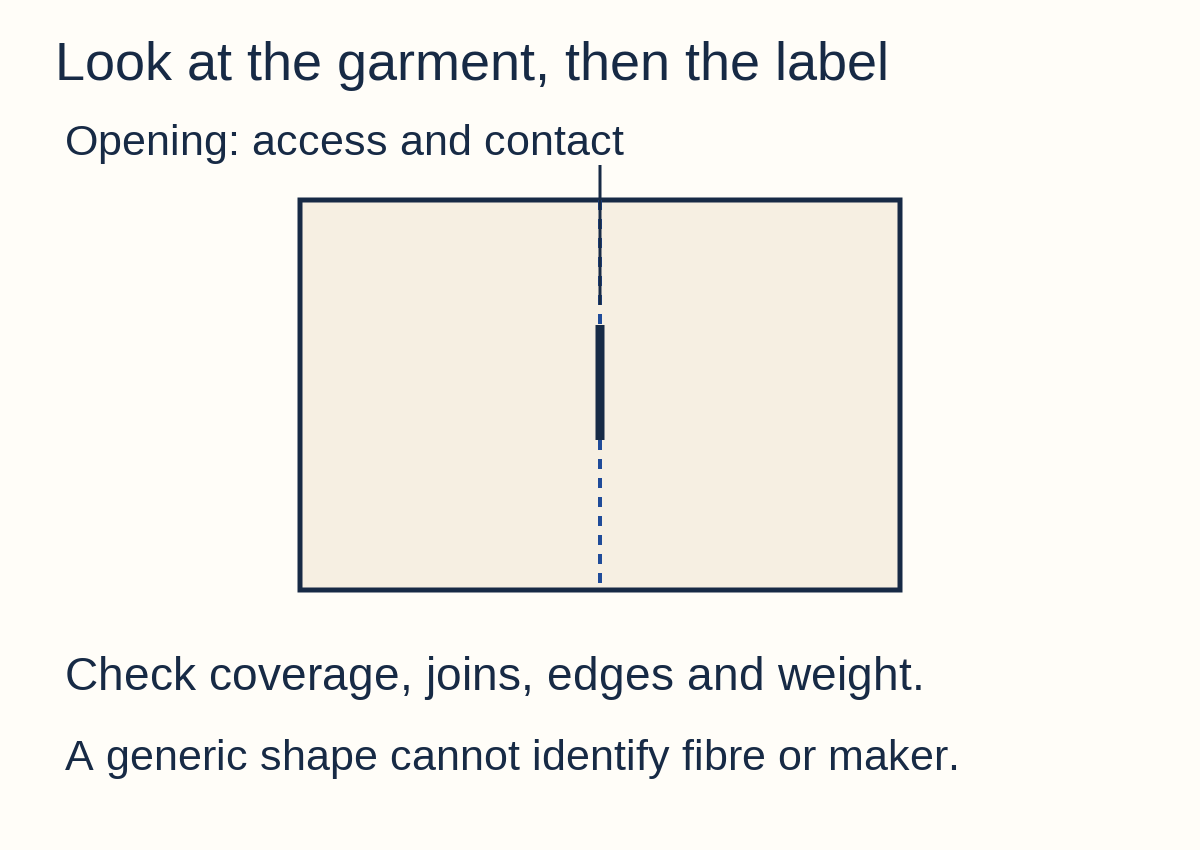
For your own decision, compare coverage, openings, the intended underlayers and whether the garment is manageable when you sit or reach. Use the layering guide for the surrounding outfit. An opening that admits a draught or a panel that moves away from the body is a design/use question, rather than proof of a species-wide ranking.
Do not treat thickness judged by touch, weight in the hand or a regional name as a rain or wind specification. A substantial-looking textile still needs an actual performance claim if you are relying on one.
Include colour, process and care in the decision
Ask whether the colour is undyed or dyed and who supplied that information. Dye process is another question alongside fibre; a bright shade does not prove sheep wool, and an earth tone does not prove alpaca.
Check the instructions for the complete garment. Sol Alpaca’s care page describes its own recommendation and handling advice; it does not authorise the same process for all woven ponchos. A sheep-wool label likewise does not imply unrestricted machine washing.
Imagine two hypothetical candidates that both give the coverage you need. One feels comfortable but requires care you cannot arrange; the other fits your routine and has a neckline you prefer. That is useful buying evidence even if no source can tell you which animal fibre is universally “better”.
Choose the piece whose complete specification works for your use. Keep the maker’s material account and care instructions with the purchase, so the difference you paid attention to remains clear after the labels and display setting are gone.