Sweaters
Layering with Chompas for Travel and Daily Wear
A guide to using alpaca chompas as practical layers, with attention to loft, jackets, and climate.
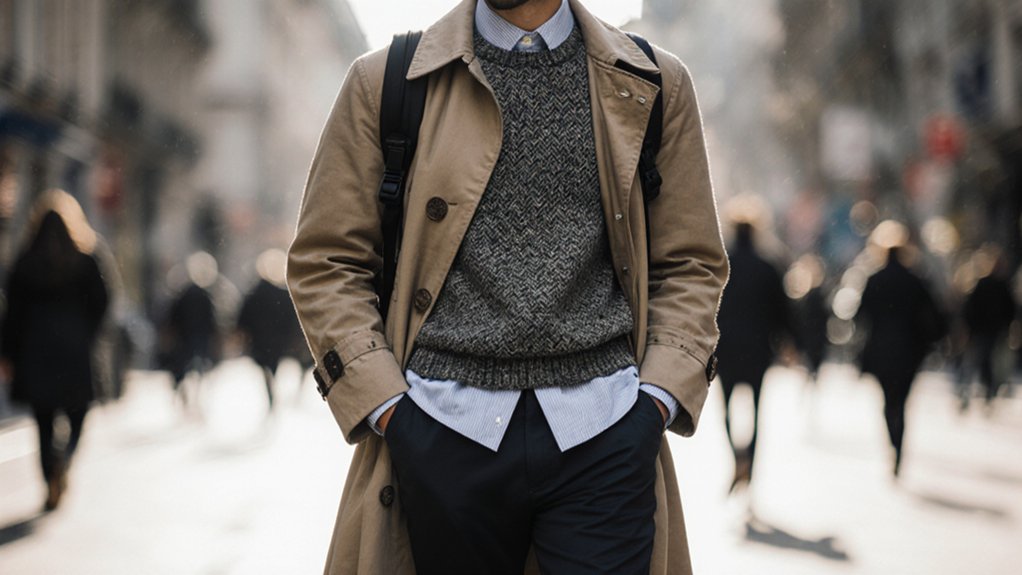
In Peru, a chompa is a sweater or knit pullover, often made with alpaca or wool blends. As a layer, a chompa is useful because it adds warmth without requiring a heavy coat, especially in places where days are sunny and nights cool off quickly.
For broader context, browse the Sweater guides.
Why Chompas Work for Layering in Any Climate

How do chompas manage to be effective layering pieces across diverse weather conditions? These traditional Andean garments excel through their construction with breathable fabrics, typically alpaca or wool blends that naturally regulate temperature. The fibers wick moisture away from the body while trapping warmth in cold environments, making them versatile across seasons.
Their heat management capabilities stem from the materials’ unique properties. The hollow fiber structure creates insulating air pockets without excessive bulk, allowing wearers to add or remove outer layers as needed. In warmer climates, chompas function as lightweight protection against wind and sun while maintaining airflow. During colder months, they provide substantial insulation under jackets. This adaptability makes chompas practical choices for travelers facing unpredictable weather patterns and daily commuters managing temperature fluctuations.
Choose the Right Weight Chompa for Your Trip
Understanding chompas’ versatility across climates helps narrow down which specific weight will serve best for particular destinations. Lightweight chompas work excellently for spring and fall travel, providing warmth without bulk. Their fiber composition typically features finer yarns that pack easily into luggage while offering breathability during temperature fluctuations.
Mid-weight options suit most three-season adventures, balancing insulation with portability. These chompas handle cool mornings and evenings effectively, making them ideal base or mid-layers for variable conditions.
Heavy-weight chompas serve colder destinations where consistent cold demands substantial warmth. Their denser knit provides better wind resistance, but they are bulkier to pack.
Travelers should assess their destination’s temperature range, planned activities, and layering system before selecting. A chompa’s weight directly impacts its thermal performance and packability.
What to Wear Under Your Chompa as a Base Layer
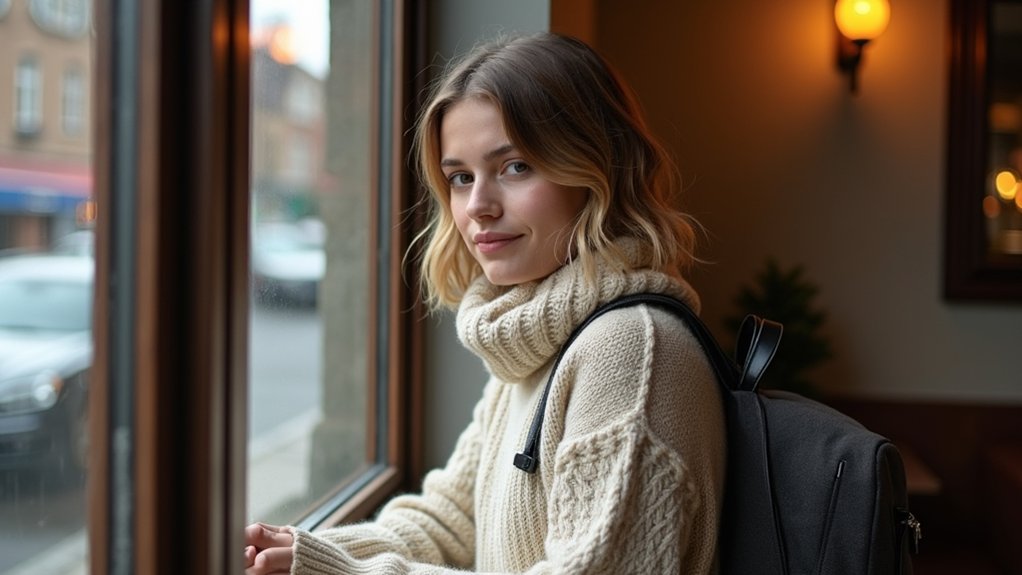
Selecting the proper base layer beneath a chompa determines both comfort and thermal efficiency throughout the day. Merino wool stands out as an ideal choice because it regulates temperature, wicks moisture, and resists odors even after extended wear. Cotton should be avoided since it retains sweat and creates a clammy feeling against the skin.
For cold weather adventures, thermal tops provide essential insulation while remaining breathable. Synthetic fabrics like polyester also work well, offering quick-drying properties at a lower price point than natural fibers. The base layer should fit snugly without restricting movement, allowing the chompa to trap warm air effectively.
Travelers should pack at least two base layers to rotate during multi-day trips, ensuring fresh options remain available.
Layer Your Chompa Over a Simple Base
A breathable base layer plus a chompa is a simple, reliable system. If you want a cleaner look, choose a smoother knit and keep the base layer thin so the sweater sits naturally without bunching. If you are walking outside, add a wind layer over the top rather than stacking multiple thick knits.
Pack Your Chompa to Maximize Luggage Space
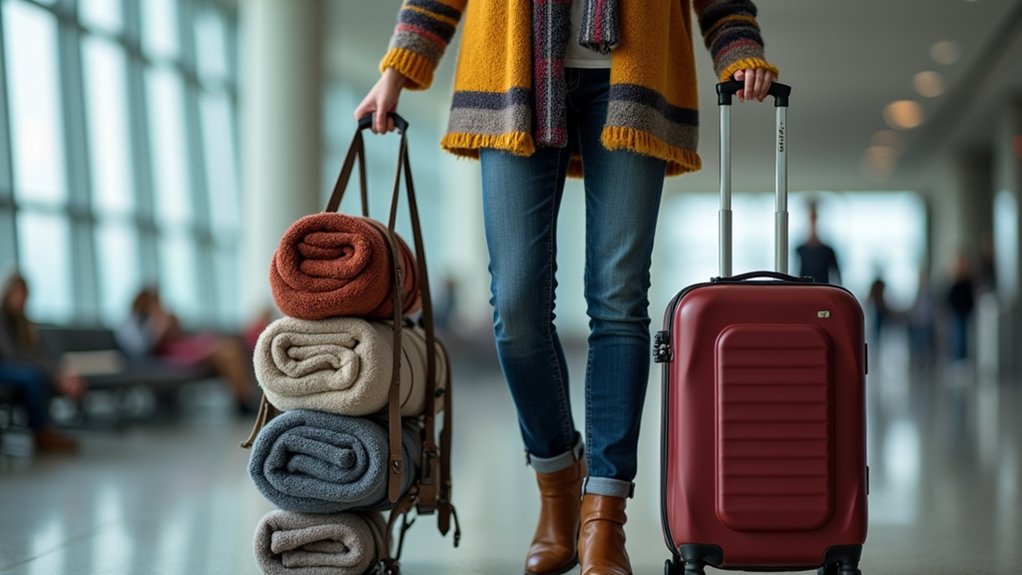
Rolling a chompa into a cylinder instead of making sharp folds can reduce creasing and often packs more cleanly in a bag.
Travelers can optimize their packing strategy by:
- Laying the chompa face-down and smoothing out wrinkles before rolling
- Starting from the bottom hem and rolling tightly toward the neckline
- Securing the roll with rubber bands or packing cubes to maintain compression
- Placing rolled chompas vertically along suitcase edges to maximize interior space
- Filling hollow areas inside the rolled chompa with socks or undergarments
The cylindrical shape allows chompas to nestle efficiently between other items, creating a compact arrangement that accommodates more clothing per square inch.
Add Outer Layers When Your Chompa Isn’t Enough
How does one maintain warmth when temperatures drop below a chompa’s insulation capacity? Travelers should layer a weatherproof shell or insulated jacket over their chompa. This combination provides outer insulation while preserving the chompa’s breathability and comfort. Wind-resistant jackets work well for moderately cold conditions, while down or synthetic-insulated coats suit freezing temperatures.
For wet climates, rain protection becomes essential. A waterproof shell prevents moisture from compromising the chompa’s warmth. Travelers can choose between lightweight packable rain jackets or heavier all-weather parkas depending on their destination’s conditions.
The layering system allows quick adjustments. When entering heated spaces, one removes the outer layer while keeping the chompa on. This flexibility makes the approach practical for varying environments throughout a travel day.
Adjust Your Chompa Layers for Temperature Swings
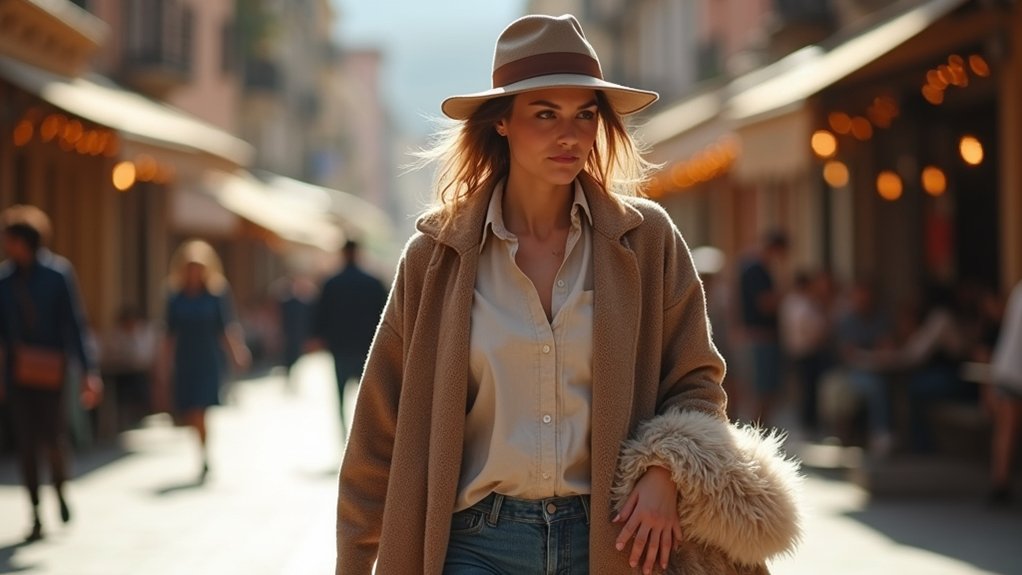
Temperature fluctuations during travel require strategic chompa layering adjustments. Layer zoning allows travelers to modify their outfit by region rather than removing entire garments. When temperatures rise unexpectedly, they can unzip or remove their chompa while keeping base layers intact. Air circulation becomes essential during these shifts, preventing overheating and moisture buildup.
Key adjustment strategies include:
- Rolling sleeves to regulate arm temperature while maintaining core warmth
- Wearing chompas over shoulders when partial coverage suffices
- Selecting chompas with ventilation panels for improved airflow
- Carrying lightweight chompas in bags for evening temperature drops
- Layering thin chompas over breathable fabrics for versatile temperature control
These tactical modifications enable travelers to respond quickly to climate changes without compromising comfort or hauling excessive clothing.
Keep Your Chompa Fresh While Traveling
Maintaining chompa freshness during extended trips presents challenges that strategic packing and care routines can solve. Travelers should hang their chompas in hotel bathrooms during showers, allowing steam to refresh fibers and release wrinkles. Between wears, they can use cedar sachets or lavender pouches in luggage for natural odor control. Air freshening sprays designed for wool work effectively when applied from twelve inches away.
Rolling chompas loosely prevents compression odors while maximizing suitcase space. Travelers should dedicate one packing cube exclusively to worn items, separating them from clean layers. Airing out chompas on balconies or near open windows for thirty minutes eliminates accumulated smells. For multi-week journeys, hand-washing in hotel sinks with gentle detergent maintains hygiene without requiring professional cleaning services.
A useful companion read is the alpaca overview.
Related guides
- Compare it with the sweater sizing guide.
- Use the sweater fiber blend reference for a nearby point of comparison.
- Pair this topic with the alpaca wool overview.