Sweaters
Alpaca Sweater Sizing Guide
A practical guide to reading fit, ease, and layering needs when buying alpaca sweaters and chompas.
Alpaca sweaters can be tricky to size because knit structure and fiber choice affect stretch and recovery. Some alpaca knits relax with wear; others hold shape well but do not “bounce back” like elastic wool blends. The safest approach is simple: measure, look for ease, and choose a fit that matches how you plan to layer.
For broader context, browse the Sweater guides.
Why Alpaca Sweater Sizing Differs From Other Materials
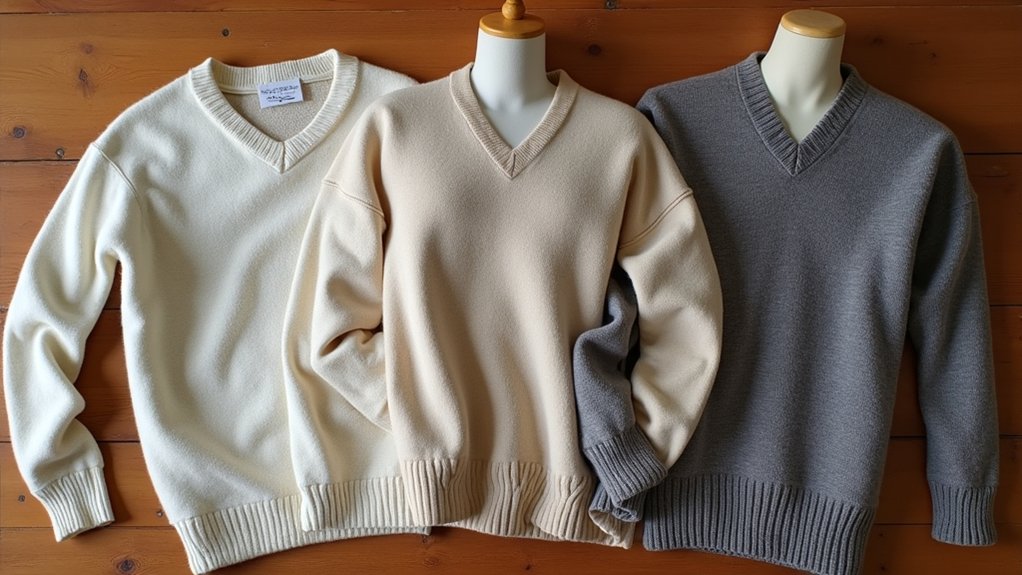
Alpaca fiber possesses unique structural properties that directly impact how garments fit and drape on the body. Unlike wool, alpaca lacks crimp, which affects fiber elasticity and creates a smoother, more flowing silhouette. This reduced elasticity means alpaca sweaters won’t stretch and recover like wool garments, requiring more precise initial sizing.
Alpaca is often valued for warmth without heavy bulk, but the finished garment still depends on yarn twist, knit density, and blends. Some pieces pill less than others, and care has a big impact on long-term fit.
How to Take Your Measurements for an Alpaca Sweater
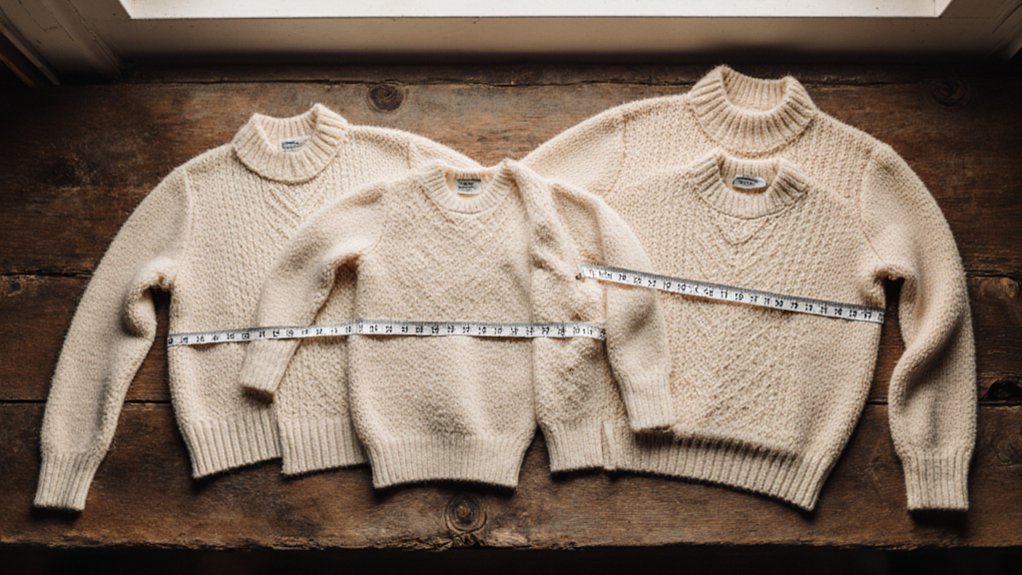
Accurate measurements form the foundation of proper sweater fit, especially given alpaca’s limited stretch characteristics. One should measure the chest at its fullest point, keeping the tape parallel to the floor. For sleeve length, measurement begins at the center back neck, extends over the shoulder, and continues down to the wrist with arm slightly bent. Waist and hip measurements follow similar principles of maintaining level tape positioning.
Common measurement pitfalls include pulling the tape too tight or allowing it to sag. Tool accuracy matters considerably - fabric measuring tapes provide more reliable results than metal versions. A partner’s assistance ensures proper tape placement and reduces errors. Recording measurements in both inches and centimeters prevents confusion when consulting size charts.
How to Read and Use Alpaca Sweater Size Charts
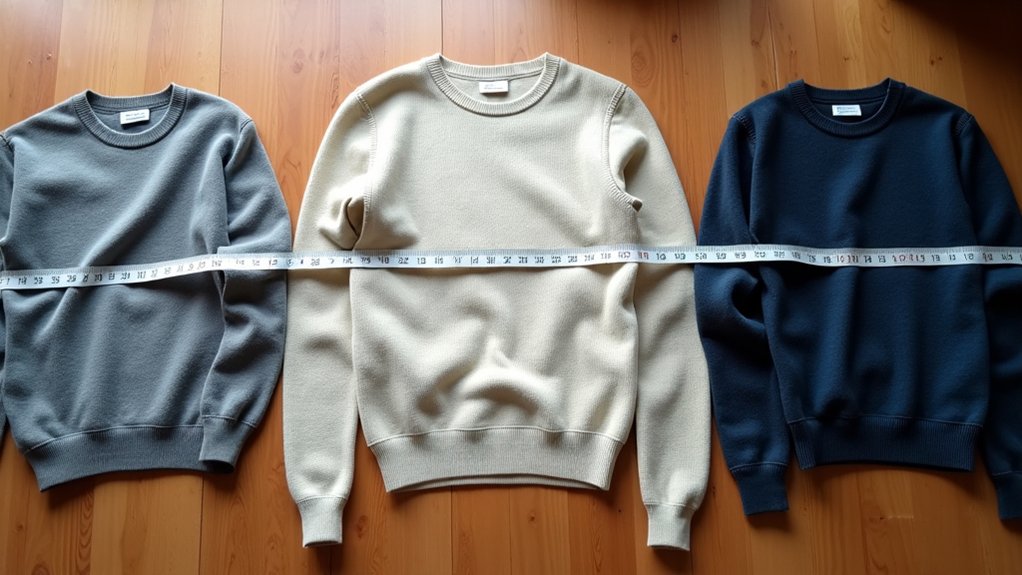
Size charts translate numerical measurements into garment selections, but they require careful interpretation to help ensure proper fit. Shoppers should locate the size chart provided by the manufacturer, as alpaca sweater sizing varies between brands. Chart interpretation begins by matching one’s bust, waist, and hip measurements to the corresponding size category. When measurements fall between sizes, buyers should consider their preferred fit - selecting the larger size for relaxed styles or the smaller for fitted looks. Size comparison across multiple charts helps identify brands that align with one’s body proportions. Shoppers must also check if measurements listed represent body dimensions or finished garment measurements, as this distinction substantially affects fit. Reading the chart’s notes reveals important details about stretch, shrinkage, and specific style considerations.
What to Do if You’re Between Alpaca Sweater Sizes
Finding oneself between two sizes presents a common challenge when shopping for alpaca sweaters. Consulting the retailer’s fit guidance helps determine which direction to size. Those preferring a relaxed, layerable fit should size up, while individuals wanting a fitted silhouette should size down. It’s crucial to weigh the sweater’s intended use and personal style preferences.
Alpaca fiber’s natural stretch allows some flexibility in sizing decisions. However, shoppers should remember that alpaca won’t stretch as dramatically as synthetic blends. Reviewing the store’s exchange policy before purchasing provides peace of mind if the initial size selection doesn’t work. Many retailers offer hassle-free exchanges, enabling customers to swap sizes easily. Taking accurate body measurements and comparing them against the size chart remains the most reliable approach for making informed decisions.
Fitted vs. Relaxed vs. Oversized Alpaca Sweater Styles
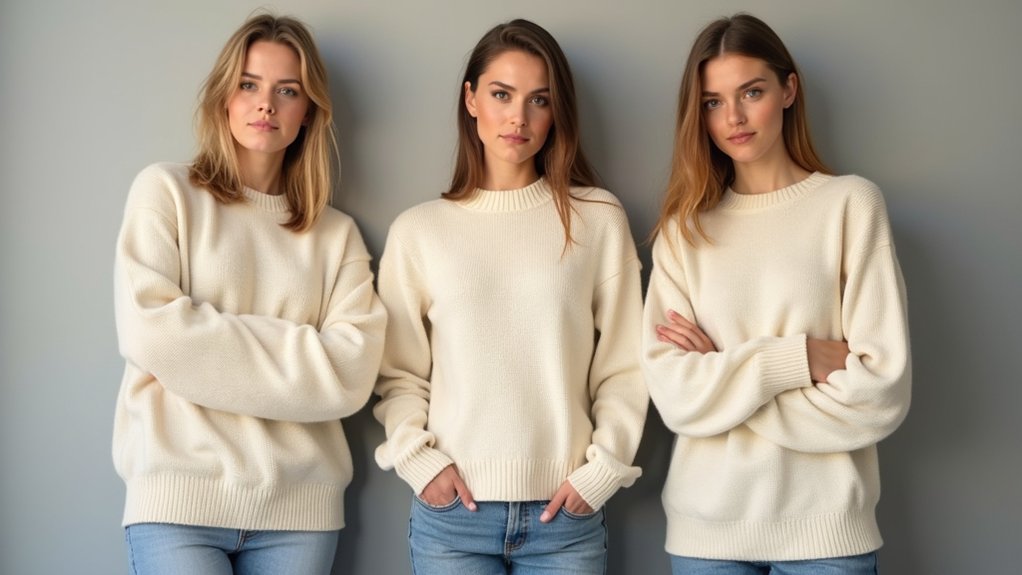
Understanding the three primary fit categories - fitted, relaxed, and oversized - empowers shoppers to select alpaca sweaters that align with their aesthetic and functional needs.
Fitted styles feature close-to-body tailoring with minimal ease, defined armhole fit, and sleeve length that typically ends at the wrist bone. These sweaters accentuate the wearer’s silhouette and work well for layering under jackets.
Relaxed fits offer moderate ease throughout the torso, comfortable armhole fit without restriction, and sleeves that may extend slightly past the wrist. This versatile option balances comfort with a polished appearance.
Oversized styles provide generous ease, dropped shoulders with roomy armhole fit, and longer sleeve length that often covers part of the hand. These designs prioritize comfort and contemporary fashion while showcasing alpaca’s drape and texture.
How a Properly Fitted Alpaca Sweater Should Look and Feel
A properly fitted alpaca sweater should allow unrestricted movement while maintaining the intended silhouette of its design category. Following established fit guidelines helps the garment perform as designed while delivering comfortable wear.
Key indicators of proper fit include:
- Shoulder seams rest at the natural shoulder point without extending down the upper arm or pulling inward
- Sleeve length reaches the wrist bone when arms hang naturally, with cuffs sitting comfortably without riding up
- Body length covers the waistband with approximately 2-3 inches of overlap when standing upright
- Torso width allows a hand to slide comfortably between the sweater and body without excess fabric bunching
The fabric shouldn’t pull, gap, or restrict breathing. Alpaca’s natural elasticity provides gentle drape without clinging uncomfortably.
A useful companion read is the alpaca overview.
Related guides
- Compare it with the sweater fiber blend reference.
- Use the chompa layering guide for a nearby point of comparison.
- Pair this topic with the alpaca wool overview.