Wool
Alpaca Wool: Fiber, Feel, and Everyday Use
A practical guide to alpaca wool, blending, knit behavior, and how to compare fiber quality in Peruvian goods.
Alpaca wool is often described as soft and warm, but real-world feel depends on grade, blend, and construction. This guide focuses on what the fiber tends to do in finished garments and how to compare pieces without relying on marketing terms.
For broader context, browse the Wool guides.
Why Alpaca Wool Feels Softer Than Sheep’s Wool
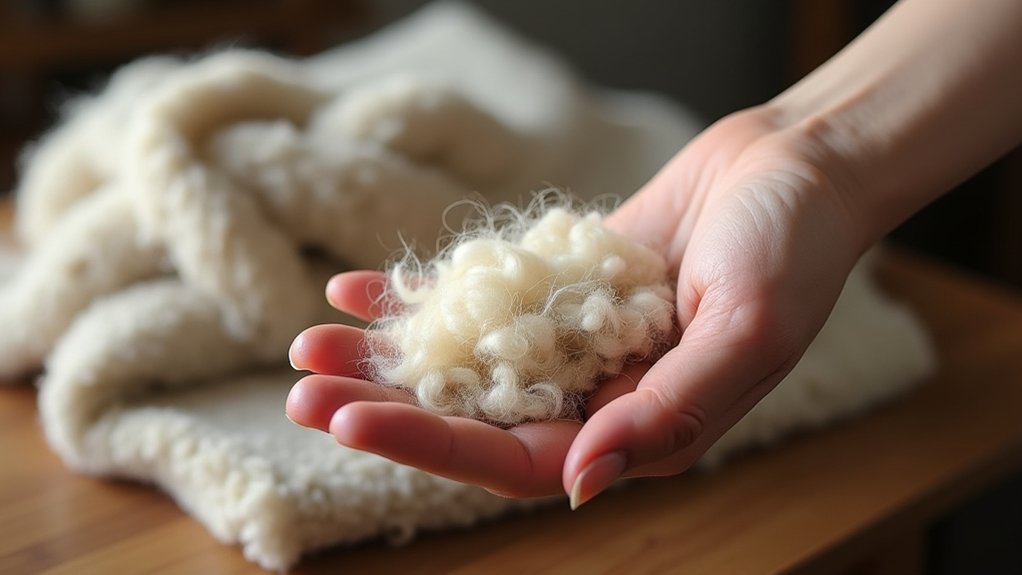
What makes alpaca wool so remarkably soft against the skin? The answer lies in fiber structure and diameter. Alpaca fibers measure between 18 and 25 microns, while sheep’s wool typically ranges from 25 to 40 microns. This smaller diameter creates a smoother texture that doesn’t irritate skin.
The difference stems from fiber genetics developed over thousands of years in the Andes Mountains. Alpacas evolved fine, dense coats to withstand extreme temperature fluctuations at high altitudes. Modern breeders continue breeding softness into their herds by selecting animals with the finest fibers.
Additionally, alpaca fibers lack lanolin, the waxy coating found in sheep’s wool that can feel greasy. The absence of scales on alpaca fibers also contributes to their silky feel and reduced itchiness.
What Alpaca Wool Actually Feels Like Against Your Skin
Understanding these structural differences helps explain the tactile experience, but wearing alpaca wool reveals its true character. Against skin, alpaca fiber creates a smooth, silky sensation rather than the prickly feeling associated with conventional wool. The fiber’s low itch potential stems from its fine diameter, typically measuring 18-25 microns compared to sheep’s wool at 25-40 microns. Thinner fibers bend more easily against skin, reducing irritation. Additionally, alpaca wool lacks lanolin, the waxy coating in sheep’s wool that triggers allergic reactions in some wearers. The result is a fabric that feels soft and comfortable during extended wear. People with wool sensitivities often tolerate alpaca garments without experiencing itching or redness. The material maintains its gentle texture through repeated wearing and washing.
Huacaya vs. Suri: The Two Types of Alpaca Fiber
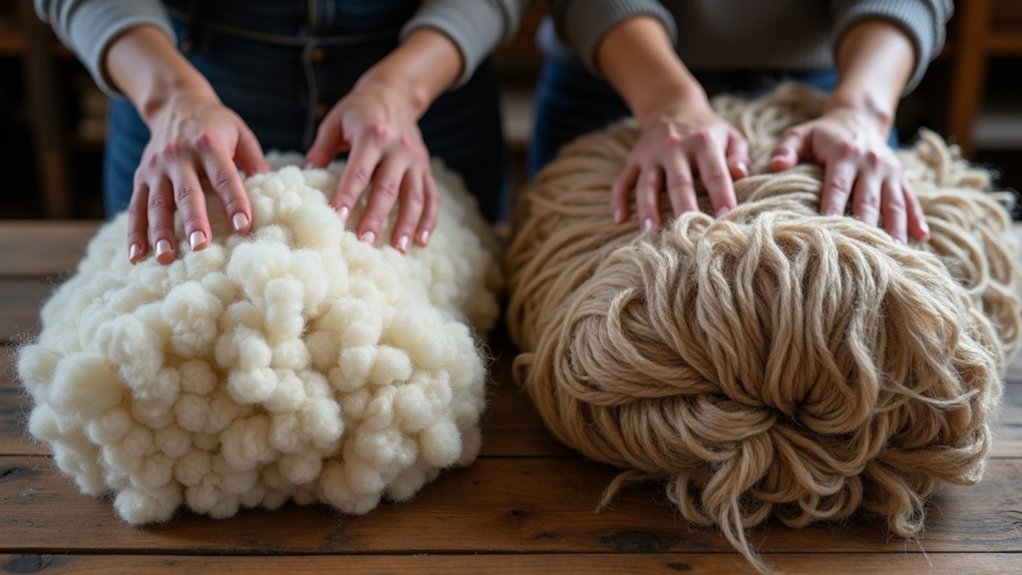
Two distinct breeds of alpacas produce fibers with markedly different characteristics. Huacaya alpacas, comprising about 90% of the global population, yield crimped, fluffy fiber that creates bulk and warmth in textiles. Their fleece grows perpendicular to the body, resembling a teddy bear’s coat. Suri alpacas produce lustrous, silky fiber that hangs in pencil-like locks, draping close to the body. This variety offers exceptional sheen and a smoother hand feel.
The fiber textures differ considerably in processing and end-use applications. Huacaya works well for knitting and everyday garments, while Suri often suits woven fabrics and drapier items. Breeding implications affect fiber availability and price - Suri fiber can command higher prices due to scarcity. Producers select breeding stock based on desired fiber characteristics, influencing market supply and textile applications.
Which Type of Alpaca Works Best for Sweaters, Socks, and Blankets
Selecting the right alpaca breed depends on the specific textile application and desired performance characteristics. Huacaya’s crimped structure offers superior fiber density, making it ideal for sweaters that require warmth and insulation. Its bounce and loft create garments with excellent shape retention during extended wear duration.
Suri’s silky, straight fibers drape beautifully, perfect for lightweight sweaters and shawls where elegance matters more than bulk. However, its lower fiber density makes it less suitable for heavy-duty applications.
For socks, Huacaya proves superior due to its cushioning properties and durability through repeated washing cycles. Blankets benefit from either type: Huacaya provides warmth and thickness, while Suri offers luxurious drape and sheen. The choice ultimately depends on whether functionality or aesthetic appeal takes priority.
How to Wash and Care for Your Alpaca Garments
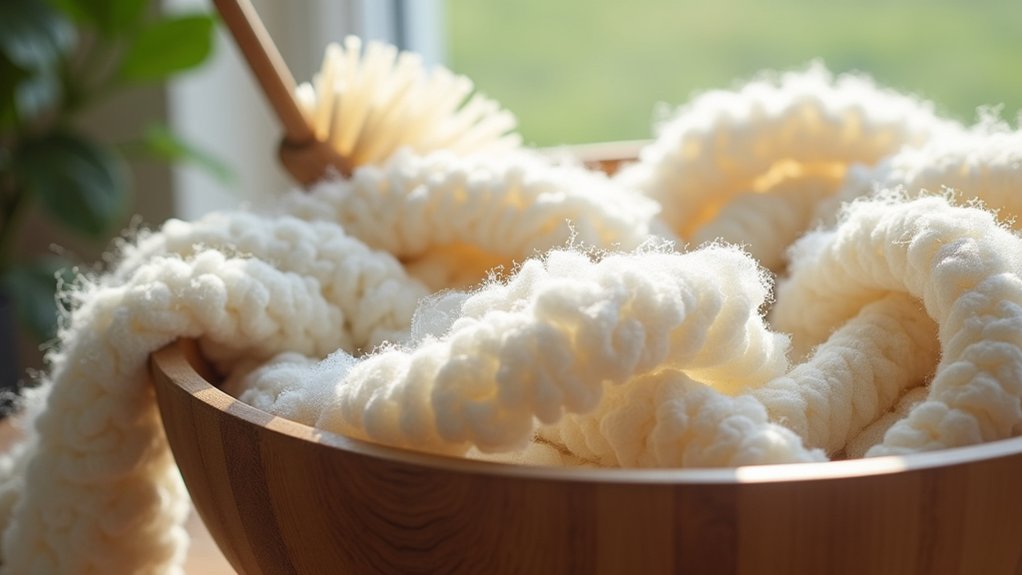
Proper care extends the lifespan of alpaca garments while maintaining their softness and structural integrity. Understanding washing basics prevents fiber damage and preserves the natural properties that make alpaca wool valuable.
Essential care guidelines include:
- Hand wash in cool water with a mild detergent designed for delicate fibers.
- Avoid wringing or twisting the garment, which can distort the fabric structure.
- Press out excess water gently by rolling the item in a clean towel.
- Lay flat to dry away from direct heat or sunlight.
These drying methods preserve shape and prevent stretching. Machine washing isn’t recommended, as agitation causes felting. Storage should occur in breathable containers with cedar blocks to deter moths. Proper maintenance helps alpaca garments retain their characteristic warmth and softness for years.
The True Cost and Value of Alpaca Wool
Understanding how to preserve alpaca garments naturally leads to questions about whether the investment justifies the careful maintenance required. Alpaca wool often costs more than sheep’s wool because supply is smaller and processing can be more specialized. Prices vary substantially between mass-market items and artisan-made pieces. If you’re comparing value, look at fiber content, knit density, and finishing quality alongside care requirements.
A useful companion read is the alpaca overview.
Related guides
- Compare it with the knitwear care guide.
- Use the natural dye overview for a nearby point of comparison.
- Pair this topic with the sweater sizing guide.