Peruvian Handicraft Resources and Buying Context
A resource-style guide with practical research and buying context for Peruvian textiles.
Peru's handicraft markets pulse with the work of highland weavers, rainforest potters, and valley carvers whose techniques stretch back centuries. Traversing Lima's vendor stalls and Sacred Valley cooperatives requires knowing which regional styles command fair prices, how to distinguish hand-loomed textiles from factory reproductions, and where artisan registries authenticate quality. The difference between supporting living traditions and buying mass-produced imitations often comes down to understanding what's actually being sold.

For broader context, browse the Buying in Peru guides.
Where to Buy Authentic Peruvian Handicrafts in Lima and Beyond

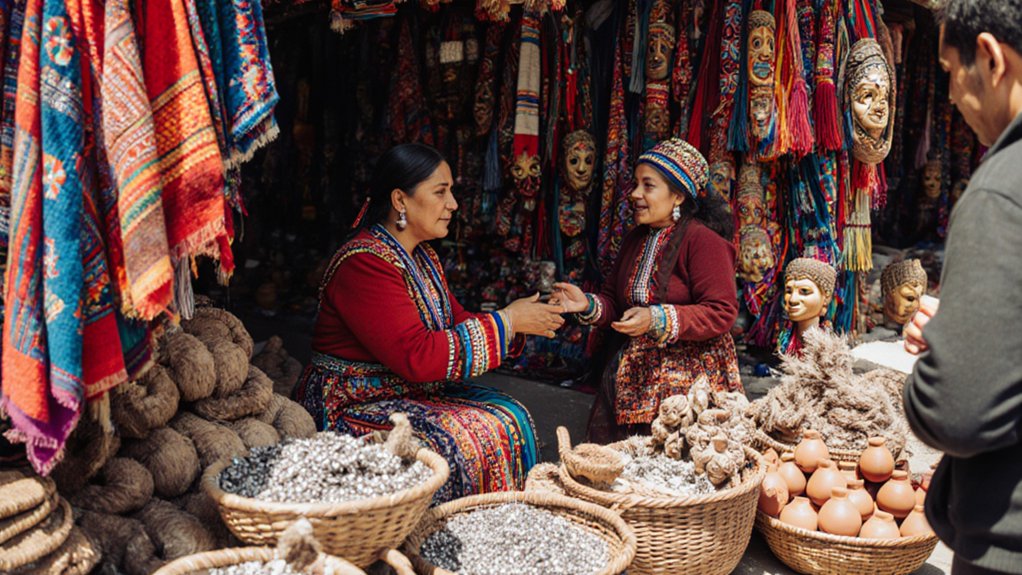
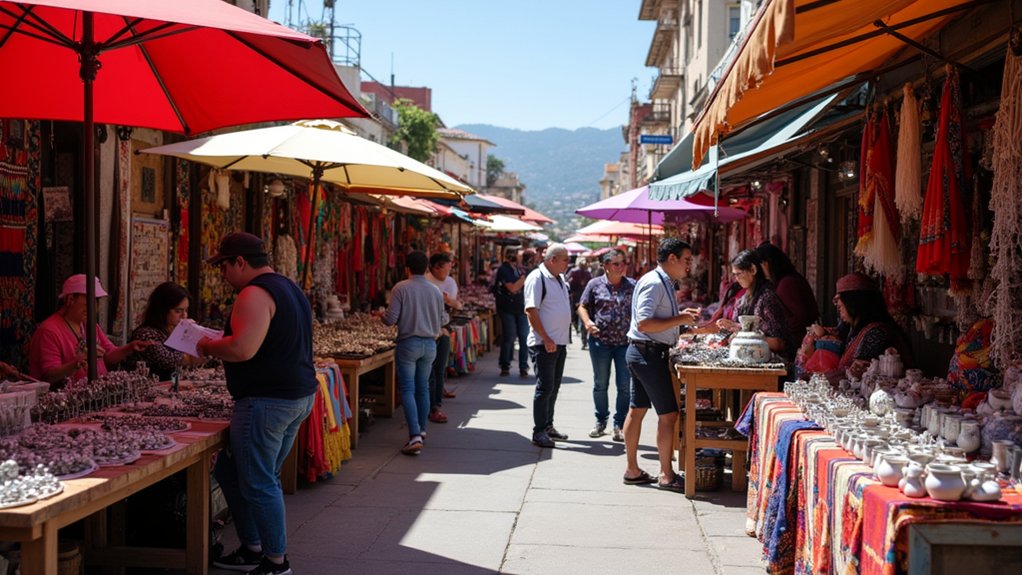
Where can travelers find genuine Peruvian handicrafts that support local artisans rather than mass-produced imitations? Lima's Miraflores district hosts several reputable markets, including the Indian Market on Petit Thouars Avenue, where vendors sell textiles, pottery, and jewelry directly from artisan communities. The Pisac Market near Cusco remains a premier destination for traditional weavings and ceramics. Street stalls throughout the Sacred Valley offer handmade goods, though quality varies considerably. For verified authenticity, PromPeru's artisan registry connects buyers with certified craftspeople. Online fairs have expanded access, with platforms like Novica and Peru Gift Shop showcasing work from remote communities. Cooperative stores such as Awamaki in Ollantaytambo guarantee fair trade practices, ensuring purchases directly benefit the artisans who create these cultural treasures.
Regional Specialties: Textiles, Pottery, and Carvings by Source Community
Peru's diverse geography and distinct indigenous communities produce handicrafts with recognizable regional signatures that reflect centuries of specialized techniques and local materials. Cusco and surrounding highlands excel in textiles, where Quechua weavers create intricate patterns whose weaving symbolism communicates stories, social status, and cosmological beliefs. The Shipibo-Conibo people of the Amazon craft distinctive geometric pottery featuring ayahuasca-inspired designs. Ayacucho artisans produce retablos - portable wooden altars - and stone carvings with colonial-era religious influences. San Blas in Cusco specializes in carved wooden saints and church ornaments, with carving origins tracing back to Spanish colonial workshops. Puno's communities bordering Lake Titicaca weave totora reed boats and create silver jewelry. Chulucanas in Piura produces burnished black-and-white ceramics using pre-Columbian firing techniques.
How to Spot Authentic Peruvian Handicrafts vs. Factory Copies

Distinguishing authentic Peruvian handicrafts from mass-produced imitations requires examining construction methods, materials, and artistic details that factory processes can't replicate. Authenticity cues include irregular stitching patterns in textiles, natural dye variations, and hand-carved imperfections that demonstrate individual craftsmanship. Genuine pieces often display subtle asymmetries and color inconsistencies absent in factory copies.
Production marks provide valuable verification. Artisan cooperatives frequently attach tags identifying the maker's community and traditional techniques used. Authentic ceramics show hand-coiling ridges or paddle marks, while factory versions reveal uniform thickness and mold seams. Natural fiber textiles contain occasional slubs and texture variations, whereas synthetic replicas appear perfectly consistent.
Weight differences matter too - authentic items typically feel heavier due to quality materials. Pricing also signals authenticity; extremely low costs usually indicate mass production rather than skilled handwork.
What Handwoven Textiles and Ceramics Should Actually Cost
Understanding pricing helps buyers verify authenticity and support fair compensation for artisans. Fair pricing reflects the labor-intensive process behind genuine Peruvian handicrafts. A quality handwoven textile requiring weeks of work shouldn't cost the same as factory reproductions.
Expect these price ranges for authentic pieces:
- Small handwoven items (coin purses, bookmarks): $8-$20
- Medium textiles (table runners, small blankets): $40-$150
- Large tapestries and ceremonial textiles: $200-$800+
Ceramics vary from $15 for simple pieces to $300+ for intricate designs. Sticker shock often indicates authenticity, as genuine craftsmanship demands time and skill. Suspiciously low prices typically signal mass production. Buyers should remember that appropriate compensation guarantees artisan communities maintain their traditional crafts for future generations.
Why Artisan Cooperatives Ensure Fair Prices and Quality

How do cooperatives protect both artisans and buyers in Peru's handicraft market? These organizations establish transparent pricing ethics by collectively determining fair compensation for labor and materials. Cooperative governance structures prevent exploitation through democratic decision-making, where artisans vote on price minimums and quality standards.
Members benefit from shared resources like workshops, training programs, and direct market access. This eliminates middlemen who typically reduce artisan earnings by 40-60%. Cooperatives also maintain quality control systems, ensuring products meet established standards before reaching consumers.
Buyers gain confidence knowing purchases support ethical practices. Cooperatives provide authentication certificates and artist information, validating each item's origin. This accountability creates sustainable relationships between makers and markets, protecting cultural traditions while ensuring artisans receive appropriate compensation for their skilled craftsmanship.
The Living Traditions Behind Peruvian Weaving and Carving Techniques
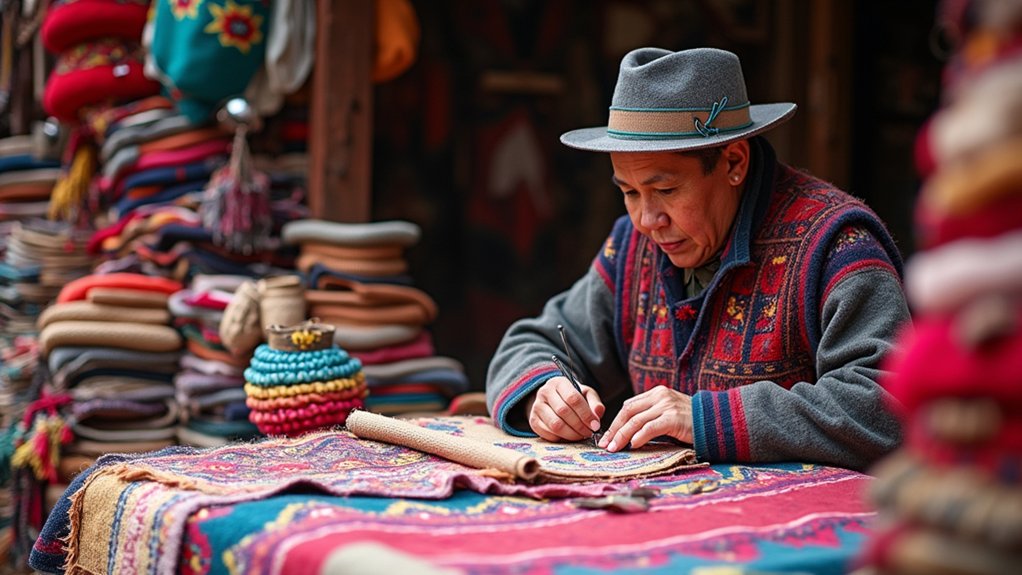
For centuries, Peruvian artisans have passed down weaving and carving methods through direct apprenticeship within families and communities. These techniques remain vibrant because they're embedded in daily life rather than preserved as museum pieces. Master weavers teach children to read weaving symbolism that communicates ancestral stories, territorial markers, and spiritual beliefs through color patterns and geometric designs.
Traditional practices include:
- Textile production synchronized with agricultural calendars and ceremonial dates
- Carving rituals performed before working with wood or stone to honor material spirits
- Natural dye preparation using indigenous plants, minerals, and insects
Today's artisans maintain these cultural connections while adapting designs for contemporary markets. They balance preservation with innovation, ensuring techniques survive economically while retaining authentic cultural significance.
Shipping Peruvian Handicrafts Home: Customs Rules and Safe Packing

When travelers purchase textiles, ceramics, or carved items in Peru, they'll need to navigate international shipping regulations and protect fragile pieces during transport. Most countries allow handicrafts for personal use without customs duties, though travelers should verify their nation's specific exemption limits and declaration requirements. Items made from protected wildlife materials require CITES permits and may face confiscation.
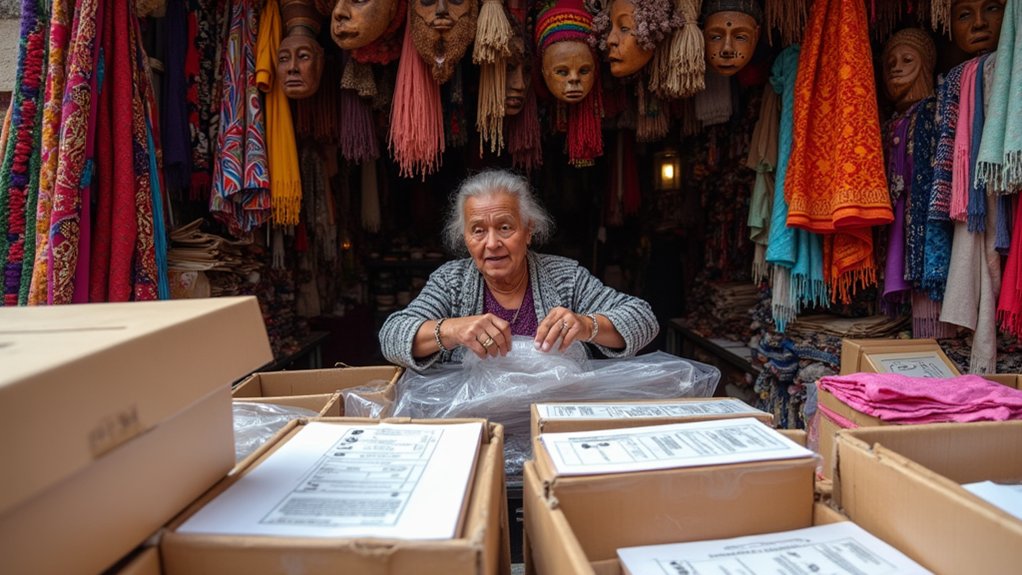
Following proper packing guidelines guarantees handicrafts arrive undamaged. Ceramics need bubble wrap and rigid boxes with cushioning material on all sides. Textiles should be folded with acid-free tissue paper to prevent creasing. Carved wood pieces benefit from individual wrapping and separation to avoid scratches. Reputable artisan markets often provide packing services, or travelers can purchase supplies at local shipping stores before departure.
A useful companion read is the alpaca overview.
Related guides
- Compare it with the Cusco buying guide.
- Use the pricing reference for a nearby point of comparison.
- Pair this topic with the alpaca wool overview.