Buying in Peru
Buying Textiles in Cusco: A Practical Approach
A guide to buying textiles in Cusco with more comparison, less rush, and clearer quality signals.
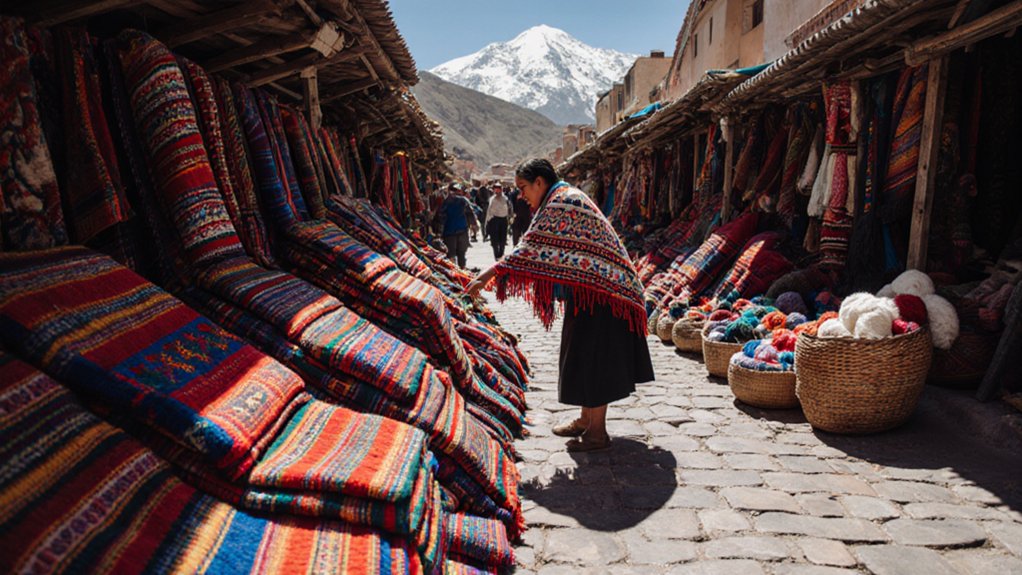
Cusco is one of the easiest places to see Andean textiles in real life, and also one of the easiest places to overpay for something you did not intend to buy. This guide focuses on simple comparisons: fiber, construction, finishing, and provenance.
For broader context, browse the Buying in Peru guides.
Where to Buy Authentic Textiles in Cusco: Markets and Cooperatives
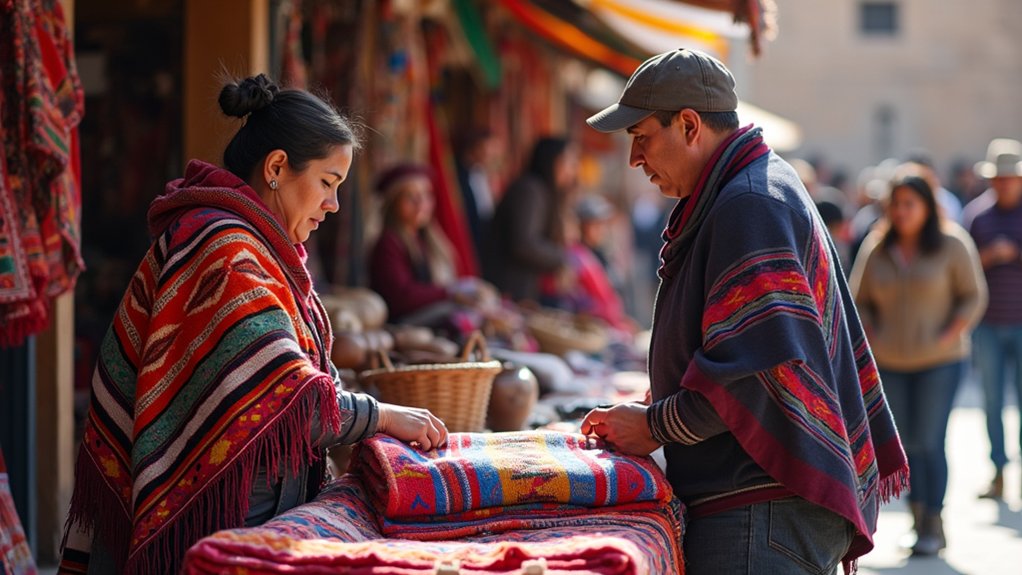
There is no single “best” market. The more useful distinction is usually who made the piece and whether you can verify that story.
- Weaving centers and cooperatives: often the clearest provenance and the easiest place to ask technique questions.
- Weaver-direct stalls: when the maker is present, you can usually get specific answers about fiber and process.
- Tourist-heavy markets: convenient, but the supply chain can be longer. Compare more carefully.
How to Spot Handwoven Textiles vs Factory Imitations
Knowing where to buy authentic textiles becomes even more valuable when shoppers can distinguish genuine handwoven pieces from factory-made imitations. Fiber indicators provide the first clue: handwoven textiles typically use natural materials like alpaca, sheep’s wool, or cotton, while factory versions often contain synthetic fibers. Examining the reverse side reveals important differences - authentic pieces show irregular yarn tension and visible knots, whereas machine-made items display uniform backing. Loom techniques leave distinct signatures: traditional backstrap weaving creates narrower widths, requiring multiple panels to be sewn together for larger items. Factory textiles show precise, repetitive patterns, while handwoven designs contain subtle variations in spacing and color intensity. Frayed edges appear naturally uneven on authentic pieces, contrasting with factory-cut, heat-sealed borders.
What You Should Actually Pay for Peruvian Textiles
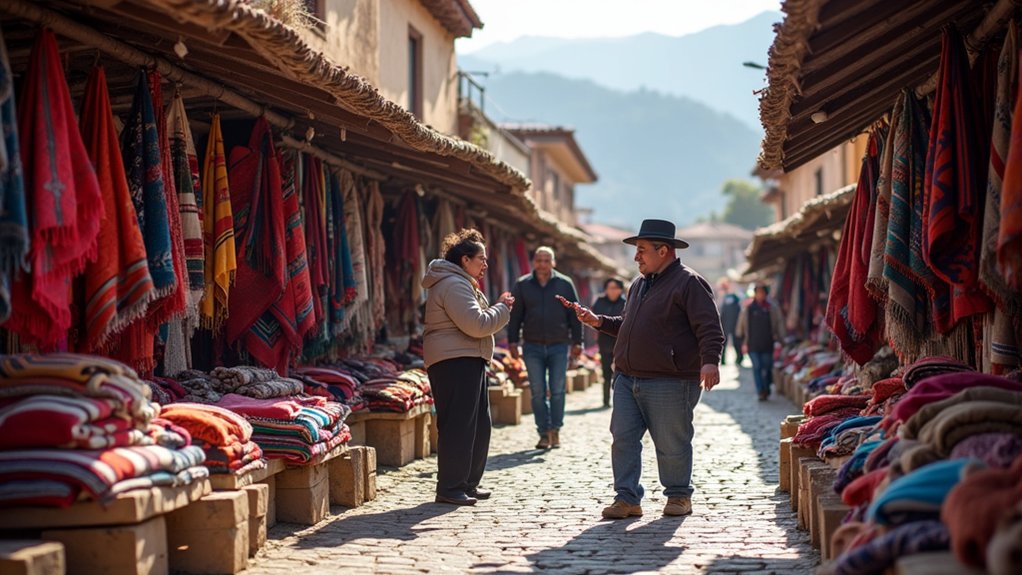
Pricing varies widely, but a few factors reliably push cost up or down:
- Fiber and blend: pure alpaca, baby alpaca, and fine blends generally cost more than acrylic-heavy items.
- Technique: backstrap work and dense weaving take time; simple machine output scales cheaply.
- Finish quality: edges, joins, and seam work often separate “looks good” from “lasts.”
If a price is suspiciously low, treat it as a signal to re-check fiber content and construction. Negotiation is normal in many markets, but the best bargains are usually found by comparing calmly, not by pushing for the absolute lowest number.
5 Questions That Reveal a Seller’s Authenticity
Asking specific questions about a textile’s origin and production process quickly separates knowledgeable artisans from resellers of mass-produced goods. Effective seller questions include inquiring about the dye sources, asking if they’re natural or synthetic, and requesting details about the weaving technique used. Authentic artisans typically demonstrate enthusiasm when explaining their craft and can describe specific plants or minerals used for colors. They’ll often show their hands, which bear telltale signs of their work. Another authenticity check involves asking about the symbolism in traditional patterns. Genuine weavers understand the cultural meanings behind designs and can explain regional variations. Sellers offering factory-made items usually provide vague answers or quickly redirect conversations toward pricing. These focused inquiries help travelers identify legitimate craftspeople worth supporting.
Spotting Natural Dyes and Traditional Weaving Methods
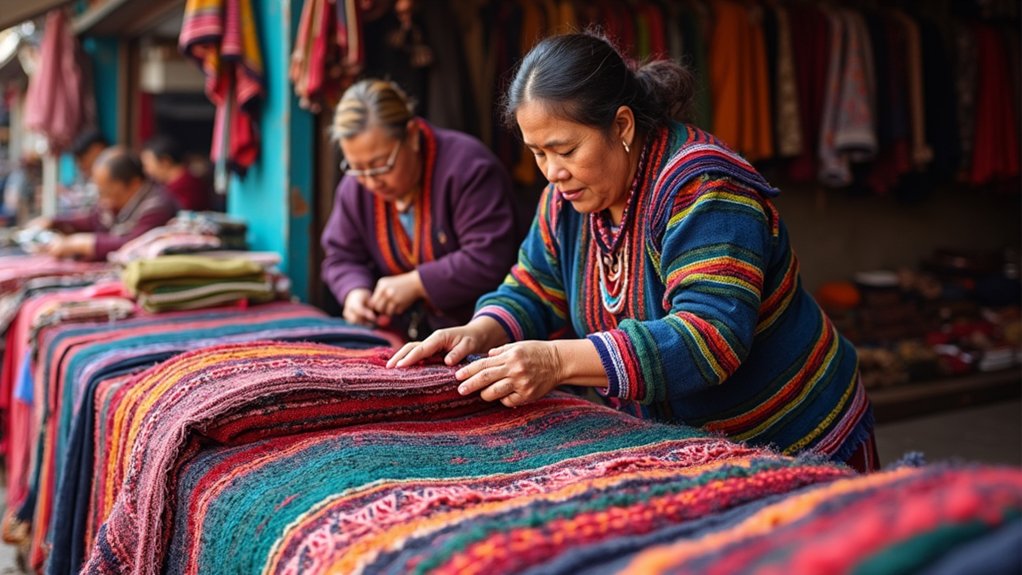
Natural dyes produce distinctive color variations and subtle imperfections that synthetic alternatives can’t replicate. Buyers should examine textiles closely for these telltale signs of authenticity. Colors derived from cochineal, chilca, and other traditional sources display depth and richness that change subtly in different lighting conditions. The use of plant mordants, such as aluminum-rich rhubarb or tannin-containing bark, creates unique color fastness and tonal qualities.
Traditional loom techniques leave specific structural markers. Backstrap looms produce narrower widths with characteristic selvage edges, while pedal looms create wider pieces. Hand-woven textiles show slight irregularities in tension and spacing that machine production lacks. Authentic pieces often display natural wool texture with varying fiber thickness. Vendors familiar with traditional methods can explain their dyeing processes and demonstrate weaving patterns, providing additional verification of genuine craftsmanship.
How to Support Weavers, Not Middlemen
Direct purchases from artisan cooperatives and family workshops can help weavers receive fair compensation for their skilled labor. Visitors can identify authentic direct trade opportunities through several methods:
- Visit community weaving centers where artisans demonstrate their techniques and sell finished pieces.
- Look for cooperative structures where the maker story is clear and repeatable.
- Ask sellers to identify the weaver or community by name (a vague answer is useful information).
- Prefer stalls where the maker is present and can explain materials, dye, and technique.
These practices shorten the supply chain and make it easier to support makers directly.
A useful companion read is the alpaca overview.
Related guides
- Compare it with the pricing reference.
- Use the artisan gift guide for a nearby point of comparison.
- Pair this topic with the alpaca wool overview.