Buying in Peru

Gifts Made by Peruvian Artisans

A guide to choosing gift-friendly Peruvian artisan goods by portability, usefulness, and long-term value.

Last updated 2025-11-07Buying in Peru Guides

Peruvian artisans transform raw materials from the Andes into gifts that carry centuries of tradition. From hand-spun alpaca textiles to hammered silver filigree, each piece reflects techniques passed through generations of highland communities. These aren't mass-produced souvenirs - they're functional art created by craftspeople who source local fibers, metals, and clays using methods that predate the Incan Empire. Understanding what makes these items authentic and how they support remote villages reveals why certain pieces command premium prices.

Gifts Made by Peruvian Artisans overview

For broader context, browse the Buying in Peru guides.

Peruvian Alpaca Textiles and Handwoven Artisan Gifts

Gifts Made by Peruvian Artisans - Peruvian Alpaca Textiles and Handwoven Artisan Gifts

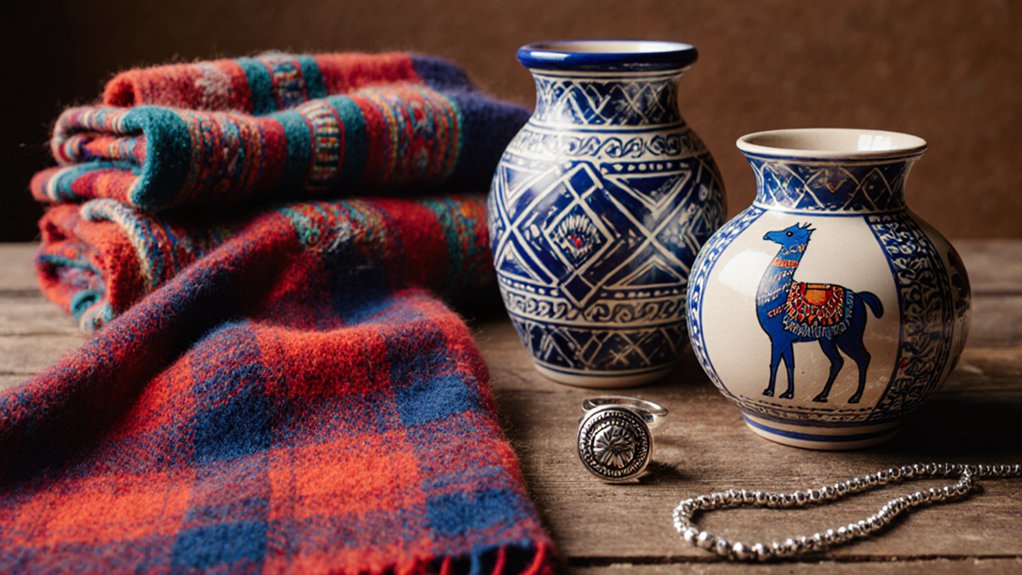
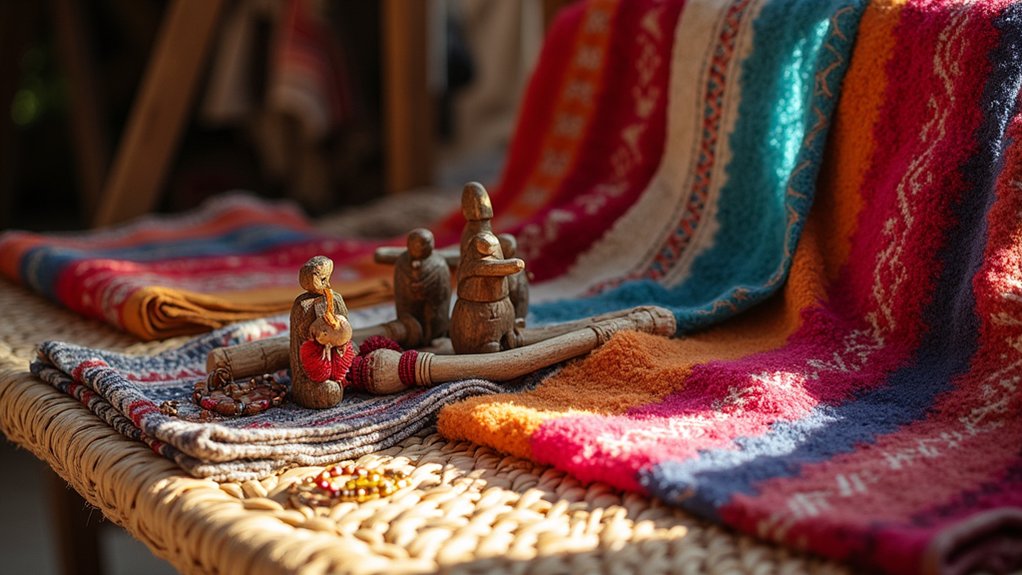
Peru's alpaca textiles represent some of the finest natural fiber craftsmanship in the world, with artisans employing techniques passed down through generations since pre-Columbian times. These skilled weavers create scarves, blankets, ponchos, and garments using traditional loom techniques that produce intricate patterns and durable fabrics. The fiber sourcing process begins in the Andean highlands, where alpacas graze at elevations exceeding 12,000 feet. Artisans carefully select premium fibers known for their exceptional softness, warmth, and hypoallergenic properties. Each piece requires meticulous handwork, from sorting and spinning the raw fiber to dyeing with natural pigments and weaving complex designs. The resulting textiles showcase vivid colors and geometric patterns that reflect Peru's rich cultural heritage, making them distinctive artisan gifts that combine functionality with artistic expression.

Peruvian Silver Jewelry and Traditional Filigree Work

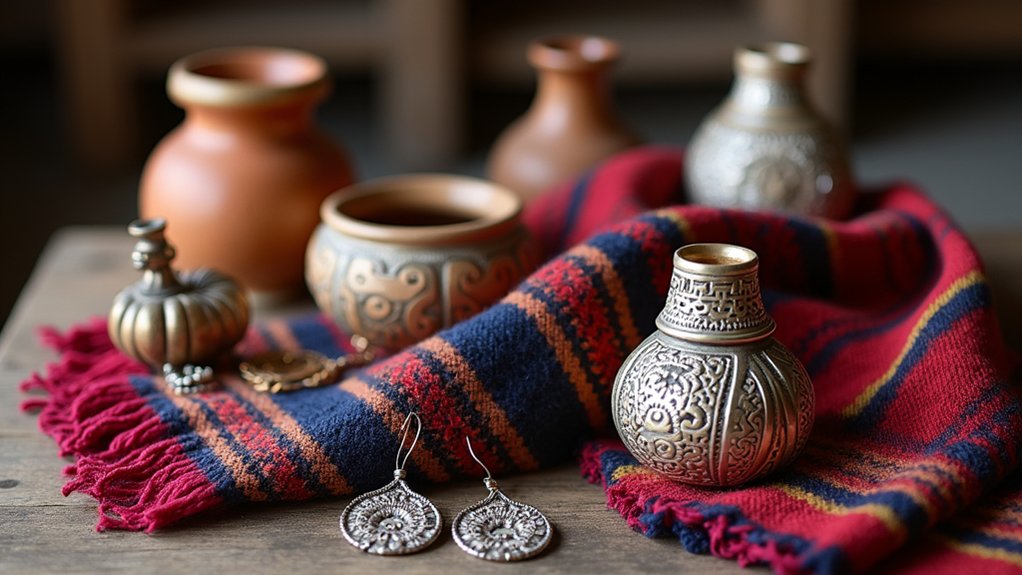
The ancient art of Peruvian silverwork dates back over 3,000 years to the Chavin and Moche civilizations, establishing a long tradition that contemporary artisans continue to honor through their meticulous craftsmanship. Today's silversmiths employ traditional filigree techniques, twisting and soldering delicate silver threads into intricate patterns that reflect pre-Columbian motifs and colonial influences. These artisans create earrings, necklaces, bracelets, and brooches featuring geometric designs, nature-inspired elements, and symbolic representations.

Silver sourcing remains primarily local, with artisans utilizing high-grade sterling silver from Peruvian mines. The filigree process demands exceptional skill and patience, as craftspeople shape thin wires into elaborate scrollwork without modern machinery. Each piece represents hours of detailed handwork, making authentic Peruvian silver jewelry highly valued among collectors. These handcrafted treasures preserve cultural heritage while providing sustainable income for artisan communities throughout Peru's highland regions.

Hand-Painted Ceramics and Pottery From Peruvian Artisans

Gifts Made by Peruvian Artisans - Hand-Painted Ceramics and Pottery From Peruvian Artisans

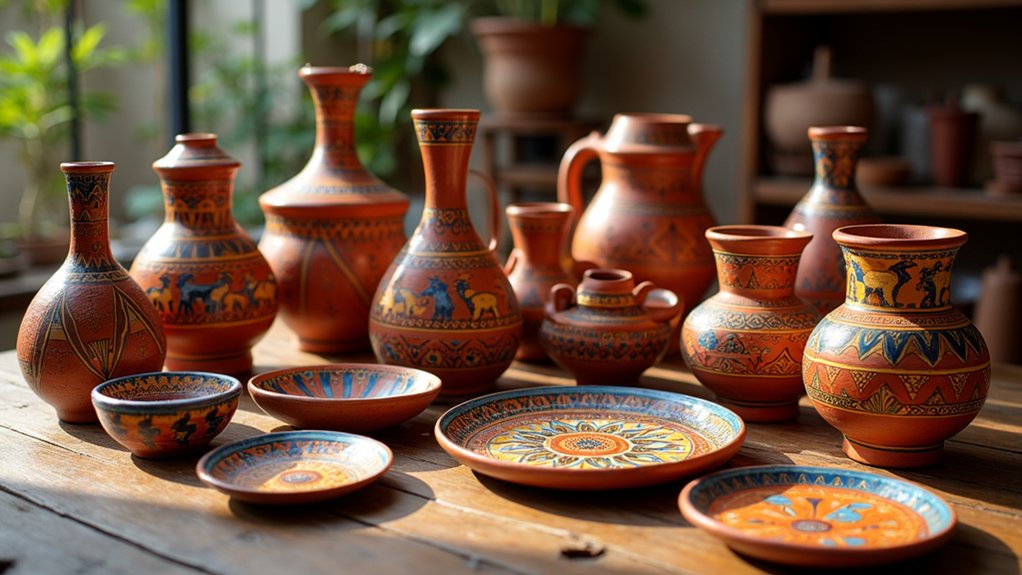
Ceramic traditions flourish across Peru's archaeological landscape, where pottery-making has evolved continuously for over 4,000 years through the Nazca, Chimu, and Inca civilizations. Contemporary artisans preserve these ancient practices while incorporating modern innovations. Skilled craftspeople in regions like Chulucanas and Quinua hand-paint intricate designs featuring geometric patterns, flora, fauna, and mythological scenes drawn from pre-Columbian iconography.

Traditional glazing techniques produce distinctive finishes, from matte earth tones to polished black surfaces achieved through smoke reduction. Firing methods vary by region - some artisans use wood-fired kilns reaching temperatures exceeding 900C, while others employ open-pit techniques inherited from their ancestors. Each piece reflects individual artistic expression combined with cultural heritage. These hand-painted ceramics serve functional purposes as dishware and decorative objects, representing Peru's living artistic traditions.

Carved Gourds and Retablos From Andean Communities

Beyond ceramics, artisans throughout the Andean highlands have mastered the art of gourd carving, transforming dried Lagenaria siceraria into intricate works that document daily life, festivals, and ancestral stories. These carved gourds, known as mates burilados, feature detailed scenes etched and burned into the surface, depicting everything from agricultural practices to religious ceremonies. The retablo tradition represents another significant art form from these communities. Artisans create portable wooden boxes containing three-dimensional scenes crafted from potato paste, plaster, and paint. Originally used as traveling altars by Spanish priests, retablos evolved to showcase Andean religious syncretism and cultural narratives. Today's retablos illustrate themes ranging from nativity scenes to contemporary social issues, making them compelling gifts that preserve indigenous storytelling traditions while supporting mountain communities.

Trusted Sources for Authentic Peruvian Artisan Gifts

Gifts Made by Peruvian Artisans - Trusted Sources for Authentic Peruvian Artisan Gifts

Purchasing authentic Peruvian artisan gifts requires discernment, as mass-produced imitations flood tourist markets throughout Lima, Cusco, and Arequipa. Buyers seeking genuine handcrafted items should prioritize certified cooperatives that directly represent artisan communities. These organizations maintain transparent supply chains and verify each piece's traceable origins, ensuring profits reach the creators themselves.

Established marketplaces like Centro de Textiles Tradicionales del Cusco and Manos Amigas provide documentation authenticating each product's provenance. Additionally, fair trade shops operating throughout major cities partner with remote villages, offering textiles, pottery, and jewelry crafted using traditional techniques passed through generations.

Online platforms such as Novica and Aid to Artisans connect international buyers with verified Peruvian craftspeople, providing detailed artisan profiles and photographs documenting the creation process. These channels guarantee authenticity while supporting sustainable livelihoods in highland and coastal communities.

How Buying Peruvian Artisan Gifts Preserves Cultural Traditions

When consumers choose handcrafted Peruvian goods over factory-made alternatives, they directly sustain ancestral knowledge systems that might otherwise disappear within a generation. Each purchase creates economic incentives for artisans to continue practicing traditional techniques and passing skills to younger family members through oral traditions. This financial support often surpasses what heritage funding programs can provide to individual craftspeople.

The cultural preservation impact includes:

  • Maintaining weaving techniques that date back to pre-Columbian civilizations
  • Supporting indigenous language preservation as craft knowledge is shared verbally
  • Keeping alive natural dyeing methods using plants and minerals
  • Ensuring pottery and metalworking traditions survive modernization pressures

Artisan communities that receive consistent income from their crafts remain culturally vibrant, preserving identity markers that define Peru's diverse heritage.

A useful companion read is the alpaca overview.

Related guides