Alpaca
Alpaca vs Llama Fiber: Useful Differences
A neutral comparison of alpaca and llama fiber in finished garments, with a focus on feel, weight, and practical use.
Alpaca and llama fiber share a South American heritage, yet their textile properties diverge in ways that matter to fiber artists, clothing manufacturers, and consumers alike. The differences extend beyond simple touch - they affect warmth, durability, pricing, and the final product’s intended use. Understanding what sets these two fibers apart helps buyers make informed decisions about which material will best serve their specific needs, whether that’s a soft next-to-skin sweater or hard-wearing outerwear.
For broader context, browse the Alpaca guides.
Alpaca vs Llama Fiber: Key Differences in Coat Structure and Production
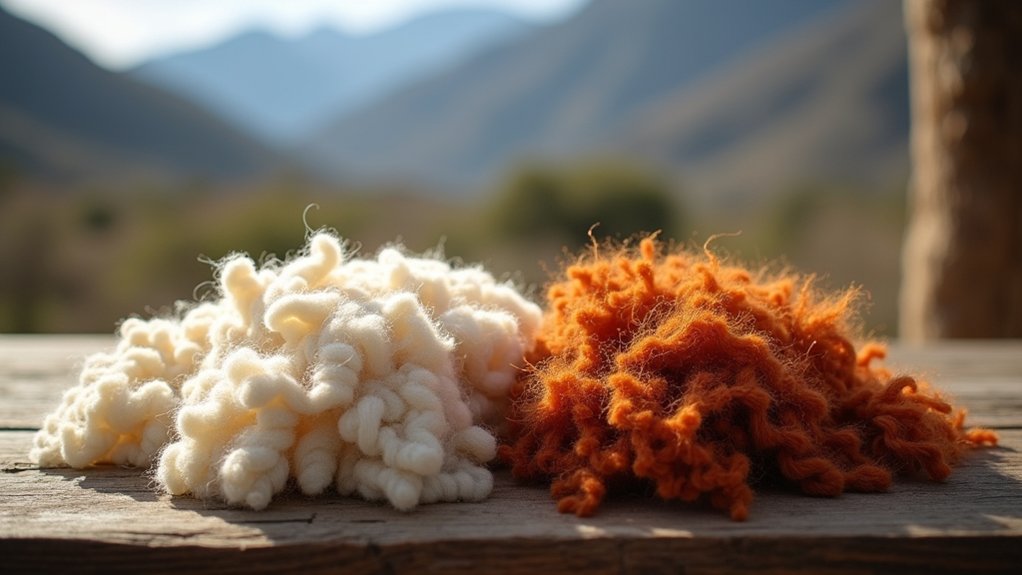
How do alpaca and llama fibers differ at their most fundamental level? The coat structure varies between these two camelids. Alpacas tend to produce fiber with a more uniform crimp and a more consistent diameter, while many llamas have a double coat with coarser guard hair over a softer undercoat. That difference matters because llama fiber often needs more sorting to remove coarse hairs, while alpaca fiber is usually processed more uniformly.
Which Fiber Is Softer: Alpaca or Llama?
When comparing softness, alpaca fiber consistently measures finer than llama fiber across most quality grades. Alpaca fiber typically ranges from 18 to 25 microns, while llama fiber measures between 25 and 35 microns. This difference in diameter directly affects the fiber feel against skin.
In softness ranking, alpaca places higher due to its finer structure. The smoother scales on alpaca fiber contribute to its luxurious texture, making it comparable to cashmere. Llama fiber, though coarser, still offers adequate softness in its finest grades.
Premium alpaca varieties like baby alpaca measure under 20 microns, delivering exceptional softness. Llama’s guard hairs create a scratchier feel unless thoroughly separated during processing. For garments worn next to skin, alpaca’s superior softness makes it the preferred choice.
Which Fiber Keeps You Warmer Without the Bulk?

Thermal efficiency depends on fiber structure, and alpaca is often valued for warmth without heavy bulk. Alpaca fibers can contain microscopic air pockets that trap heat while keeping garments relatively light.
Llama fiber, while warm, has a coarser texture that requires more material to achieve comparable thermal efficiency. The difference becomes apparent in finished products - alpaca sweaters feel lighter yet deliver equal or greater warmth than llama alternatives.
For consumers seeking maximum insulation with streamlined profiles, alpaca proves advantageous. The fiber’s hollow core creates natural loft without thickness, making it ideal for layering. Llama works well for applications where slight additional bulk isn’t problematic, though it can’t match alpaca’s warmth-to-weight performance.
Alpaca vs Llama Durability: Which Fiber Lasts Longer?
Durability comparisons reveal that llama fiber outperforms alpaca in longevity and wear resistance. Llama’s coarser guard hairs create a more resilient fabric structure that withstands daily wear and friction better than alpaca’s finer fibers. This makes llama ideal for rugs, outerwear, and items requiring extended use.
Alpaca fiber, while softer, shows greater susceptibility to pilling and abrasion over time. However, proper care strategies substantially extend its lifespan. Both fibers resist pilling better than sheep’s wool when maintained correctly.
Several durability factors affect longevity, including fiber diameter, crimp structure, and garment construction. Alpaca’s smoothness causes less felting but more surface wear. Llama’s textured surface provides natural protection against friction damage. Choosing between them depends on intended use - llama for heavy-duty applications, alpaca for garments prioritizing comfort.
Alpaca and Llama Fiber Prices: What to Expect When Buying
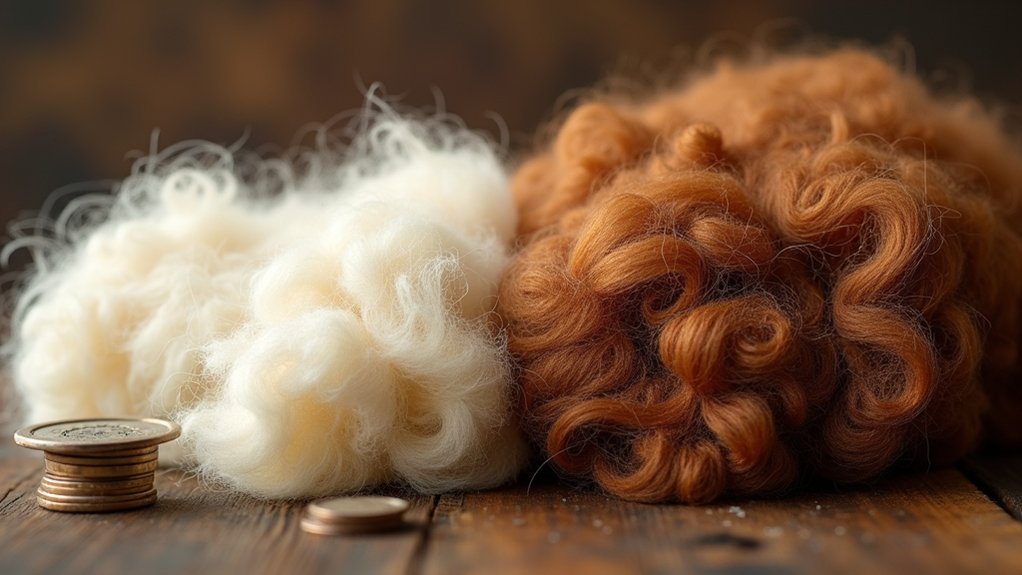
Price differences reflect softness, supply, processing, and how a finished product is positioned. As a buyer, it is more reliable to compare the garment itself (feel, density, finish, blend) than to rely on a universal price rule.
Best Uses: When to Choose Alpaca vs Llama for Your Project
Selecting between alpaca and llama fiber depends on the specific requirements of each textile project. Alpaca often works well for garments and accessories where softness and warmth are priorities, especially for next-to-skin wear like scarves and sweaters.
Llama fiber suits outerwear, rugs, and durable goods requiring strength over softness. It’s appropriate for rustic projects and items where texture adds character. Project suitability hinges on whether refinement or durability takes precedence.
Production scalability differs between the two fibers. Alpaca’s widespread commercial farming supports larger operations, while llama fiber remains more specialized. Some makers choose llama for more rugged applications and alpaca for softness-focused pieces.
A useful companion read is the alpaca poncho guide.
Related guides
- Compare it with the huacaya and suri comparison.
- Use the alpaca overview for a nearby point of comparison.
- Pair this topic with the alpaca wool overview.