At Mundo Alpaca in Arequipa, the published visitor route puts fibre sorting, loom weaving, textile machinery and a boutique within the same attraction. That arrangement offers a useful starting question for a shopper: which part of the story belongs to the garment in front of you?
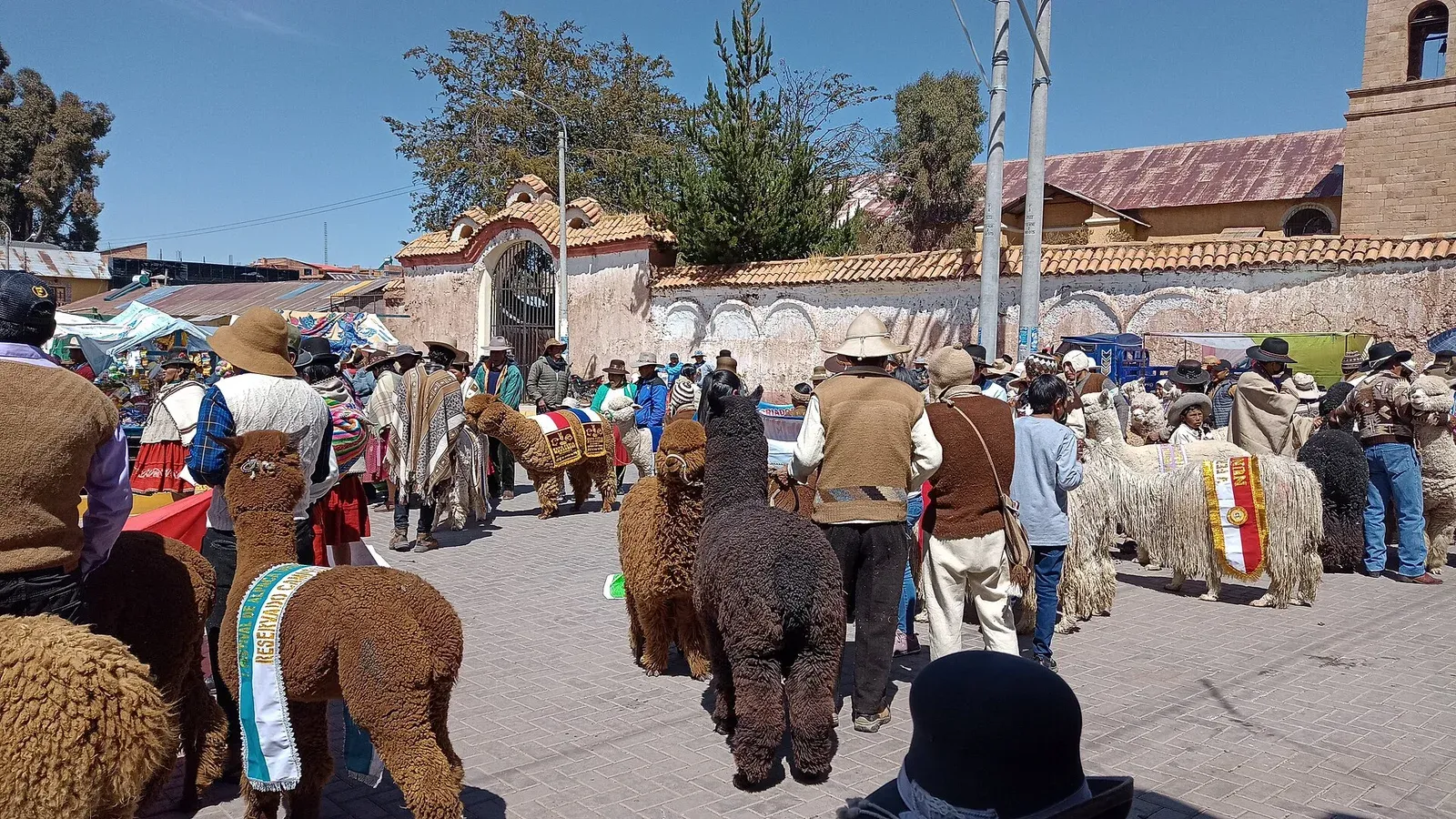
Mundo Alpaca describes itself as an initiative of Michell & Cía. Its Arequipa page lists alpacas and llamas, demonstrations, machinery and historical-textile displays, and a Sol Alpaca shopping area. These are the operator’s descriptions, not a report of our visit or an independent assessment of its products.
The interesting opportunity is to connect learning with a more precise purchase. An exhibition can help you understand stages of textile production; the seller still needs to describe the individual item you may buy.
Use a documented starting point, then make your own comparison
The operator lists its Arequipa address as Av. Juan de la Torre 101, San Lázaro. Check its current contact page before travelling, including access, opening arrangements and whether a demonstration you want is available. A published attraction page does not establish what will happen at a particular time on your visit.
Plan the route as three different encounters: a production explanation, a historical display and a garment offered for sale. They can all be informative without sharing the same maker, materials or production method. Ask how the garment was made and how its account relates to what you have just seen.
The value of this one documented starting point is the chance to carry a production question from an exhibit to a product description. It is an operator-sourced route, not a tested itinerary or shop ranking. The buying guides supply the broader questions to carry between sellers.
Turn a demonstration into an item-specific question
If you see fibre sorting, ask which declared category applies to the piece you are considering and how the supplier defines it. Alpaca Owners Association describes variation within alpaca; our alpaca overview explains why the species name does not establish one grade or feel.
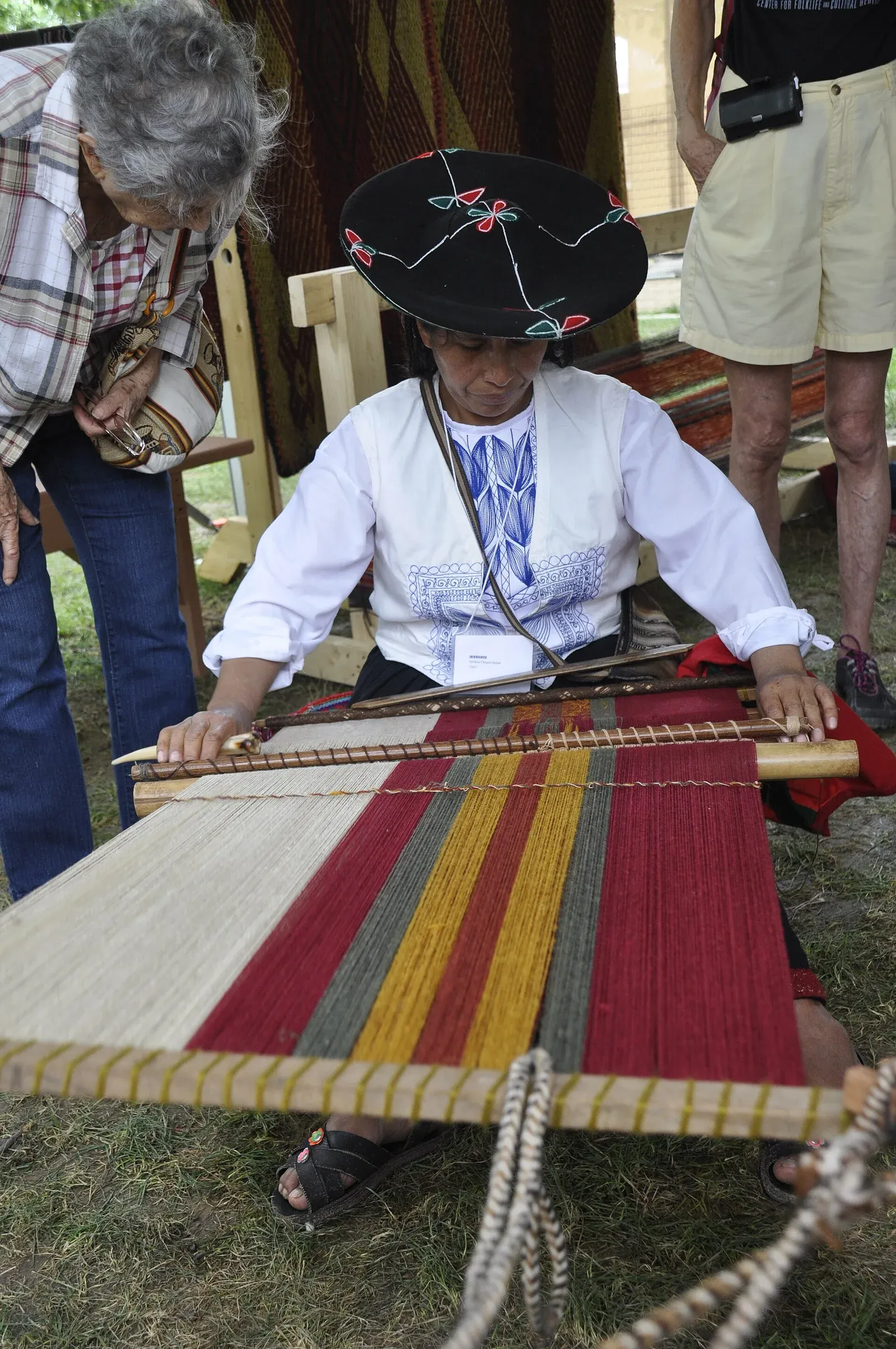
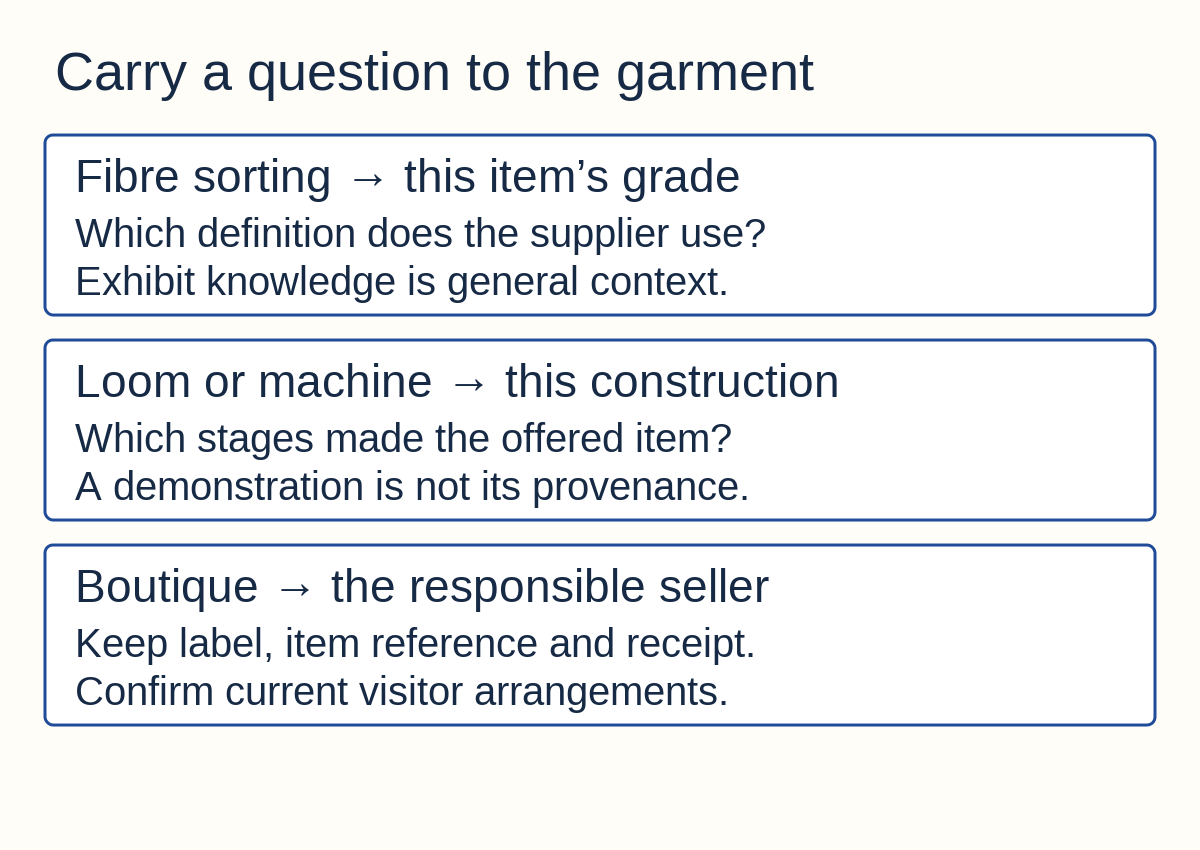
If you see loom weaving or machinery, ask which stages made the offered garment. A demonstration of one process is not evidence that every item in a boutique followed it. The diagram follows that exhibit-to-item step: learning how sorting works leads to a question about this item’s stated grade, while seeing a loom leads to a question about its actual construction. It is an original reading aid, not a site plan or attraction photograph.
Ask who is making which claim
At the boutique, the question changes from how textiles can be made to who is responsible for this sale. A branded shop, an independent retailer and a maker selling their own work are different transaction models. The useful question is the seller’s role in this specific sale, rather than assuming that a small counter means direct-to-artisan or a large brand means a particular construction method.
Ask for the full composition, manufacturing origin, responsible business and the account of any claimed handwork. If a label names a grade, ask which classification the supplier uses. Keep the written answer with the item and receipt.
For a claimed regional design, ask who supplied the explanation. Historical displays can deepen your interest in a pattern without authenticating the contemporary garment beside them. A seller who explains a boundary in their knowledge is giving you useful information, not necessarily a reason to distrust the textile.
Put the learning beside the price
For a piece that interests you, keep three statements separate: what the exhibition explains generally, what the label declares and what the seller says about this item. If comparing another offer, compare that item’s specification too. The fair-pricing guide covers the wider price conversation without treating a demonstration as a product credential.
Ask permission before photographing labels, people or demonstrations. A note of the item reference and the seller’s answer can preserve the useful connection without assuming photography is allowed.
Finish the purchase before planning the souvenir story
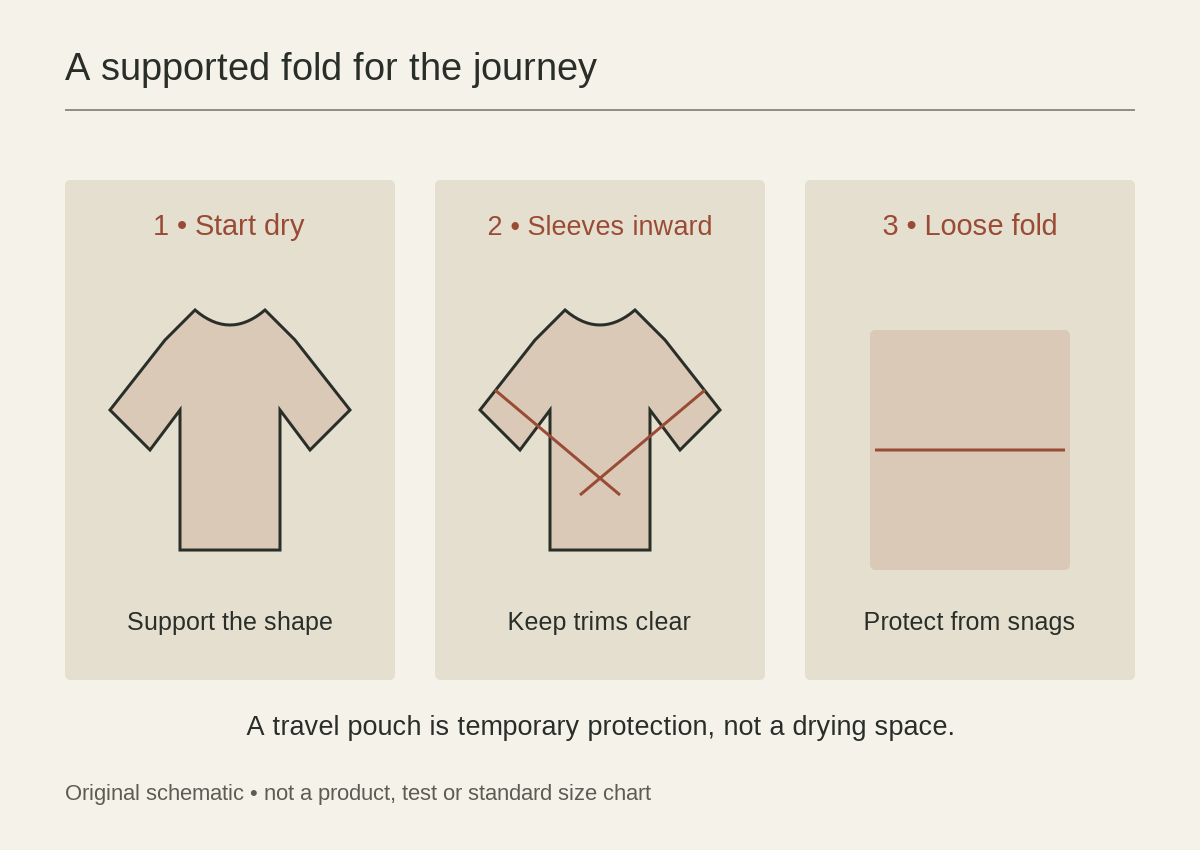
Agree the currency and total, payment method, receipt, care instructions and any exchange or return conditions. If the seller will ship the piece, establish who arranges delivery and whether import charges are included. If carrying it home, protect the textile from zips and rough luggage surfaces using the packing guide.
Leave with an account that fits the evidence: where you bought it, what the seller said, what the label declares and what you observed. Arequipa’s textile exhibitions can enrich that account. They work best when they help you ask a sharper question about the piece you actually choose.